Introduction
If you spot a plant with juicy, fleshy leaves crawling across your garden beds this summer, stop before you reach for the hoe. This is Purslane (often called “Cat’s Tongue” or “Ephemeral”), and it is one of the most nutritionally dense medicinal plants growing in the wild. This “Kitchen Secret” is a staple in Mediterranean and Middle Eastern diets because it thrives in the heat of spring and summer, providing a cooling, crunchy texture to any meal.
The “Why” behind purslane’s power lies in its extraordinary Omega-3 concentration. It contains more alpha-linolenic acid than almost any other leafy green, making it a critical “Brain Food” for cognitive focus and heart health. It isn’t just a plant; it’s a living multivitamin that grows for free in your backyard.
Why You’ll Love This Plant
- 🛡️ Immunity Powerhouse: Packed with high levels of Vitamin A, C, and E.
- 🧠 Omega-3 Source: One of the few plant-based sources of essential fatty acids.
- 🥗 Crispy & Tart: Features a refreshing, lemon-like flavor and a satisfying “snap.”
- 💰 Zero-Cost Nutrition: A high-end “Superfood” that grows naturally in most gardens.
- ✨ Fiber Rich: The succulent leaves are a fantastic source of dietary fiber for gut health.
Instructions / Method: How to Harvest and Use
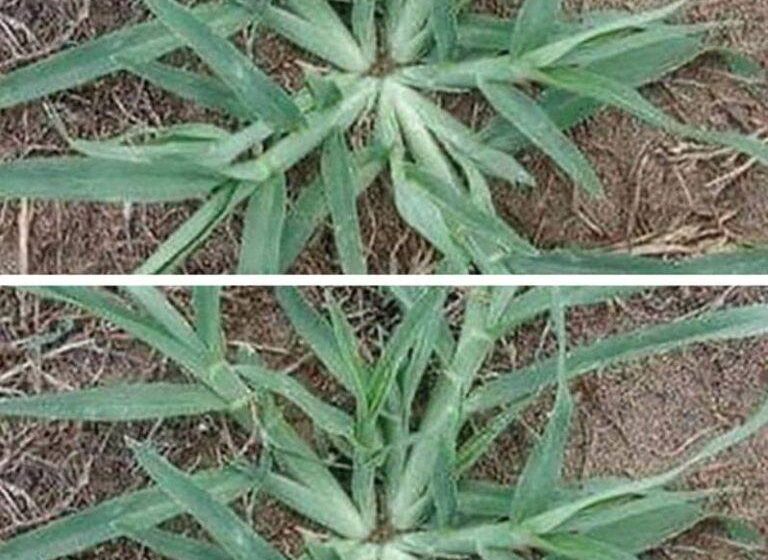
- The Identification: Look for smooth, reddish stems and paddle-shaped, succulent leaves. The Secret: Ensure you aren’t picking “Spurge,” which looks similar but has a milky sap when broken (Purslane sap is clear).
- The Harvest: Use scissors to snip the top 2–3 inches of the stems. This allows the plant to keep growing, providing a “Kitchen Secret” endless supply all summer.
- The Cleaning: Soak the cuttings in cool water with a splash of vinegar to remove any garden soil or grit.
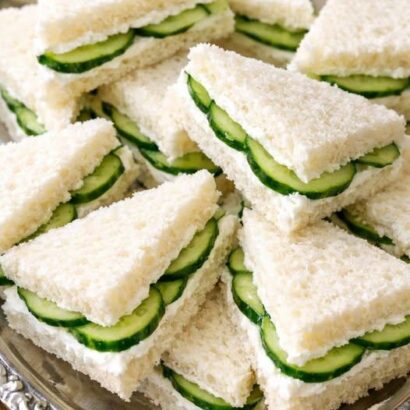
- The Raw Prep: Add the leaves and tender stems directly to salads or sandwiches. The Tip: It pairs perfectly with cucumbers, tomatoes, and feta cheese.
- The Cook: You can lightly sauté purslane like spinach, but do it quickly! Overcooking can make the juicy leaves become slightly mucilaginous.
Is This Plant Healthy?
Purslane is more than just “healthy”—it is a medicinal marvel. In addition to its high Omega-3 content, it is rich in glutathione and melatonin, which help regulate sleep cycles and fight oxidative stress. For researchers and students, it acts as a natural anti-inflammatory, helping to soothe the body during high-stress periods of study or laboratory work.
Calories & Nutrition
Estimated per 1 cup (100g) raw:
- Calories: 16–20 kcal
- Protein: 1.3g
- Carbohydrates: 3.4g
- Omega-3 Fatty Acids: 300–400mg
Tips for Best Results
- Morning Harvest: Pick your purslane in the early morning for the highest water content and the crispest texture.
- Avoid Chemicals: Never harvest purslane from lawns that have been treated with pesticides or near busy roadsides.
- The “Lemon” Secret: If you find the taste too tart, pairing it with a creamy dressing (like Greek yogurt) balances the acidity perfectly.
- Seed Control: If you don’t want it to take over your garden, harvest it before the tiny yellow flowers turn into seed pods!
Variations & FAQ
- 🥗 Purslane Tzatziki: Stir chopped purslane into Greek yogurt with garlic and lemon.
- 🍲 Soup Thickener: Add a handful to stews at the very end; the natural juices help thicken the broth.
- 🥪 The “Green” Wrap: Use large purslane clusters as a crunchy topper for turkey or tuna wraps.
Is it safe to eat the stems? Yes! The reddish stems are completely edible, crunchy, and contain much of the plant’s moisture and nutrients.
Can it be preserved? While best fresh, purslane can be pickled in a simple vinegar brine, similar to cornichons, for a winter “Kitchen Secret” snack.
Final Thoughts
Purslane is a “Kitchen Secret” that bridges the gap between gardening and medicine. It is a reminder that nature often provides exactly what our bodies need, right at our feet. Next time you see “Cat’s Tongue” appearing in your garden, don’t pull it—plate it! 🌿🍋✨
Have you ever tried purslane in a salad, or is this your first time hearing about its benefits?