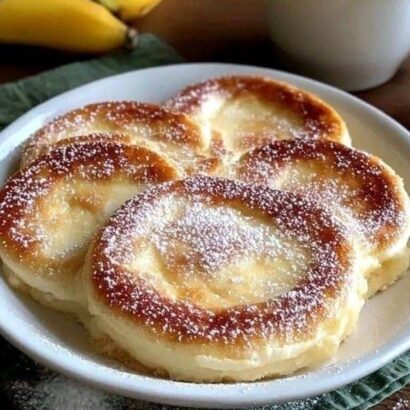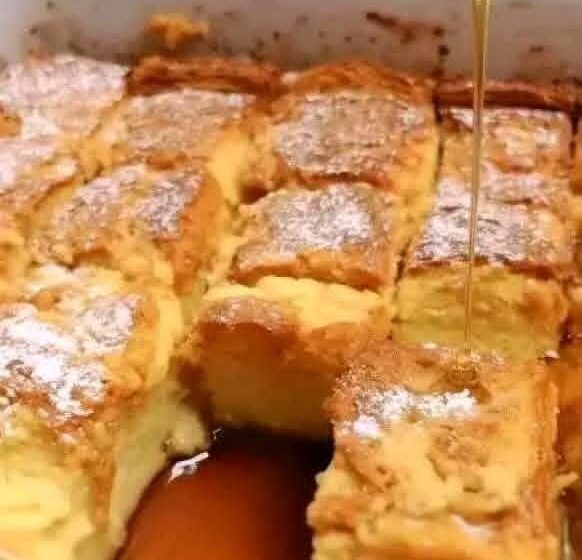
When hosting a morning gathering, the traditional method of making French toast—standing over a hot skillet, babysitting individual slices while the rest of your meal gets cold—is a logistical nightmare. If you are searching for high-yield, easy brunch recipes for a crowd, the solution lies in structural engineering and prolonged hydration.
This Overnight French Toast Casserole is a masterclass in kitchen efficiency and food science. By layering your ingredients in a 9×13 pan and letting time do the heavy lifting, you create a deeply complex, make-ahead breakfast casserole that gets gobbled up in record time. At the bottom of the pan, a foundation of melted butter and brown sugar creates an inverted caramel glaze, while the bread acts as a structural sponge, absorbing a rich vanilla custard overnight.
Let’s head into the test kitchen and break down the exact mechanics of this spectacular breakfast marvel!
The Science of the Soak: Why This Works
- Starch Retrogradation: The recipe explicitly calls for “day-old or slightly stale” bread. This is not a suggestion; it is a culinary requirement! As bread stales, its starches crystallize and the structure hardens. This allows the bread to aggressively absorb the liquid custard without completely disintegrating into a soggy, unappealing mush.
- The Caramel Inversion: By pouring a fluid mixture of melted butter and brown sugar directly onto the base of the baking dish, you are essentially creating a self-saucing pudding. As the casserole bakes, this layer bubbles up, enveloping the bottom layer of bread in a sticky, rich caramel glaze.
- Prolonged Hydration: Allowing the assembled dish to rest in the refrigerator overnight allows the egg and milk proteins to fully penetrate the dense crumb of the bread, ensuring a homogeneous, pudding-like interior and a crispy, golden-brown exterior.
The Ingredient Formula
For precise, test-kitchen-quality results, here are the exact measurements you will need:
- 1 loaf of bread, preferably day-old or slightly stale (Challah, Brioche, or a sturdy French loaf yields the best structural integrity)
- 1/2 cup (1 stick) unsalted butter, melted to a fluid state
- 1 cup brown sugar, packed
- 4 large eggs
- 1 1/2 cups whole milk
- 1 teaspoon pure vanilla extract
- A sprinkle of ground cinnamon
- Powdered sugar (for the finishing garnish)
- Warm maple syrup, for serving
Technical Execution & Assembly
Step 1: The Caramel Foundation Melt the butter gently until completely smooth and fluid. In a bowl, integrate the melted butter and the brown sugar, whisking until they marry into a thick paste. Pour this sweet concoction evenly across the base of a 9 x 13-inch glass or ceramic baking pan.
Step 2: The Custard Emulsion In a separate, large measuring pitcher or mixing bowl, vigorously whisk together the eggs, milk, and vanilla extract until harmoniously combined and no streaks of egg white remain.
Step 3: The Architecture Lay out your sliced bread to form a cozy, tightly packed layer directly atop the butter and sugar base. Drizzle exactly half of your liquid custard blend generously over the bread, ensuring each slice is thoroughly saturated. Introduce a hint of warmth with a light, even sprinkle of cinnamon.
Step 4: The Second Story Continue with a second, overlapping layer of bread slices. Baptize this top layer with the remaining egg mixture, pressing down very gently to ensure the bread makes contact with the liquid.
Step 5: The Crucial Rest Period Cover the pan tightly with aluminum foil or plastic wrap. Place it in the refrigerator overnight. This 8-to-12-hour pause is mandatory for the flavors to deepen and the starches to fully hydrate.
Step 6: The Two-Stage Bake On baking day, fire up your oven to 350°F (175°C). Keep the casserole half-shielded (covered with aluminum foil) and bake for 30 minutes. This traps the steam and ensures the custard sets without burning the top. After 30 minutes, remove the foil and let the casserole face the oven’s full heat for the remaining 15 minutes to achieve a spectacular, golden-brown crust.
Step 7: The Garnish Remove from the oven and let it rest for 10 minutes to allow the internal structure to stabilize. Crown your golden bake with a dusting of powdered sugar and a whisper more of cinnamon.
Expert Test-Kitchen Tips for Flawless Results
To ensure your make-ahead breakfast ideas execute flawlessly, keep these professional variables in mind:
- Bread Selection: Standard, pre-sliced sandwich bread is too thin and lacks the gluten structure to hold up to an overnight soak. Opt for a dense, unsliced bakery loaf so you can cut robust, 1-inch thick slices yourself.
- Temperature Control: If your baking dish is made of heavy glass or ceramic, taking it straight from a cold refrigerator to a 350°F oven can cause thermal shock, potentially cracking the dish. Pull the casserole out of the fridge about 30 minutes before baking to take the chill off.
- The Sizzle Test: You will know the casserole is perfectly finished when the edges of the pan are visibly bubbling with the dark brown sugar caramel, and the center of the bread springs back slightly when gently pressed.
Serve immediately with warm maple syrup standing by. This French Toast Bake is not just a dish, but a highly engineered culinary experience—a cherished morning ritual that bridges incredible flavor with minimal morning effort!