Introduction
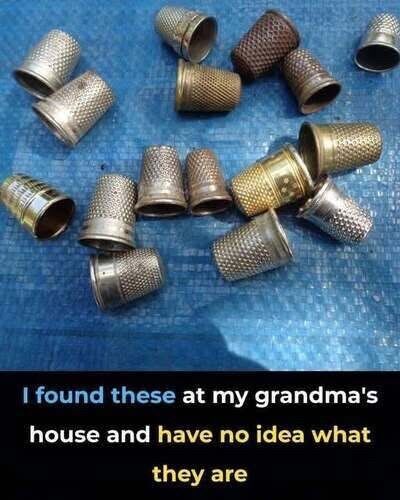
If you are looking for an efficiency hack that provides a steady stream of “Brain Food” organization for your textile projects, understanding the purpose of thimbles is your new gold standard. This “Kitchen Secret” staple focuses on a tool that was once a fundamental part of every household, yet now often remains a mystery to younger generations. Whether you are traveling for research or mending your favorite gym attire, knowing how to utilize your traditional tools is key to a self-reliant lifestyle.
The “Why” behind this tool is manual protection. By providing a hard, metal barrier between the needle and the skin, thimbles allow for the application of significant force without the “Kitchen Secret” risk of injury, ensuring your dexterity and focus remain sharp.
The Real Purpose of a Thimble
- ✨ Needle Propulsion: The primary “Kitchen Secret” function is to push a needle through heavy fabric, like denim or leather, without piercing the finger.
- ⏲️ The Dimple Secret: The small indentations (dimples) on the surface are a “Kitchen Secret” for catching the blunt end of the needle, preventing it from slipping during the push.
- 📈 Physical Resilience: They protect the fingertip from repetitive stress, a “Kitchen Secret” for anyone engaged in long-term artisan projects.
- 🛡️ Material Variety: Historically made from brass, silver, or even bone, they represent a “Bistro-style” level of customized ergonomic gear.
- ⚖️ The Precision Pivot: Professional tailors use the thimble as a “Kitchen Secret” pivot point to control the angle of the needle with world-class accuracy.
The “Brain Food” of Craftsmanship
Understanding the evolution of hand tools stimulates the same analytical muscles used in complex research. This “Kitchen Secret” awareness of manual engineering promotes an organized and capable mindset, reducing the reliance on modern, disposable solutions and fostering a “melt-in-your-mouth” ease of repair in your daily life.
Tips for Best Results
- The Fit Secret: A thimble should fit snugly on the middle finger of your dominant hand; this is the ultimate “Kitchen Secret” for natural movement.
- The “Side-Push” Technique: Professional “Kitchen Secret” sewers often use the side of the thimble rather than the tip for better control and leverage.
- Collection Integrity: If you find vintage thimbles, keep them in a dry place; the “Kitchen Secret” for preserving silver or brass is avoiding high humidity.
- Modern Utility: Use a thimble when sewing buttons onto thick coats—a “Bistro-style” trick for avoiding sore fingers.
FAQ
Why are they dimpled? The dimples are a “Kitchen Secret” for friction; they ensure the needle stays locked into place while you apply pressure.
Are they still used today? Absolutely. For high-end “Bistro-style” tailoring and quilting, a thimble remains a “Kitchen Secret” essential for precision work.
What finger does it go on? Traditionally, it sits on the middle finger, which acts as the “Kitchen Secret” primary driver for the needle.
Final Thoughts
The Thimble is a “Kitchen Secret” that proves traditional tools carry timeless utility. It is simple, protective, and carries that perfect “organized-heritage” energy that fuels the soul and the mind. Whether you are uncovering family treasures in Bydgoszcz or refining your own sewing kit, recognizing these functional artifacts is a guaranteed winner!
Do you prefer the “Kitchen Secret” weight of a traditional metal thimble, or do you find the “Bistro-style” flexibility of a modern leather thimble more comfortable for your projects?