Making gourmet homemade candy from scratch might sound like a highly technical process reserved for professional chocolatiers, but when you break down the culinary mechanics, it is actually incredibly straightforward. If you are searching for easy no-bake desserts or gluten-free sweet treats that deliver massive flavor with minimal effort, you are going to absolutely love this recipe.
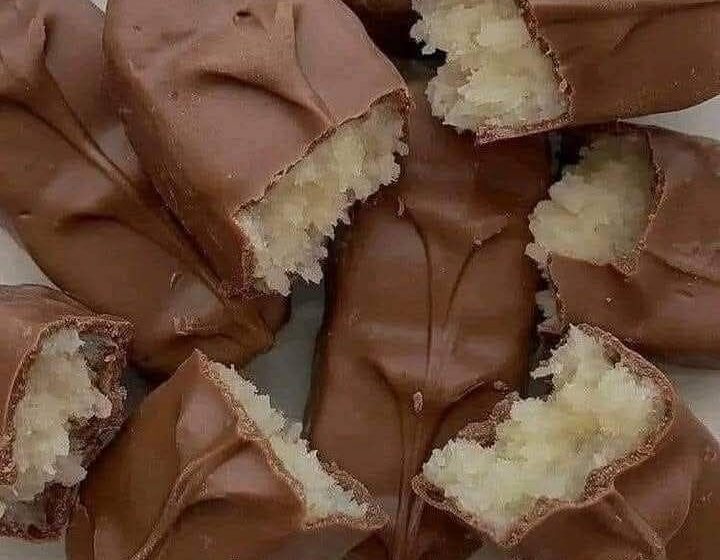
This brilliant method captures the iconic flavor of classic, store-bought coconut candies (reminiscent of Bounty or Mounds bars), but elevates the execution with test-kitchen precision. The architectural beauty of this candy lies in its textural contrast: a dense, chewy, and intensely sweet coconut core enveloped in a crisp, silky chocolate shell.
Whether you are preparing a platter of gourmet homemade candy for holiday gifting or simply looking for a satisfying, make-ahead dessert to keep in the fridge, this highly customizable recipe is a guaranteed success. Let’s head into the kitchen, melt some high-quality chocolate, and engineer the perfect sweet treat!
Why This Recipe Works
- The Perfect Flavor Harmony: The slight bitterness of the semi-sweet chocolate perfectly balances the intense, milky sweetness of the condensed coconut filling.
- Flawless Textural Contrast: The soft, slightly chewy coconut core and the firm, snappy chocolate shell create a mouthwatering, dynamic bite.
- Minimal Ingredients: You only need a handful of accessible pantry staples to create professional-quality confections.
- No-Bake Simplicity: Because the refrigerator does all the heavy lifting to set the bars, there is zero risk of burning a delicate pastry in the oven.
The Ingredient Formula
Here are the exact components you will need to execute these brilliant chocolate coconut bars:
- 2 cups shredded sweetened coconut
- 1 cup sweetened condensed milk
- 1 teaspoon pure vanilla extract
- 2 cups semi-sweet chocolate chips (or high-quality chopped baking chocolate)
- 2 teaspoons coconut oil (This is a crucial culinary shortcut to create a smoother, more fluid chocolate coating)
Technique & Execution
Step 1: Construct the Coconut Core In a large mixing bowl, combine the shredded coconut, sweetened condensed milk, and vanilla extract. Use a sturdy spatula to stir vigorously until the condensed milk fully coats the coconut and creates a thick, sticky mass.
Step 2: Shape and Chill Line a baking sheet with high-quality parchment paper. Using your hands, form the coconut mixture into small, uniform rectangular bars (you can make them bite-sized or standard candy bar length depending on your preference). Arrange them neatly on the parchment. Chill the baking sheet in the refrigerator for at least 30 minutes. This thermal drop is critical; it allows the condensed milk to stiffen, ensuring the bars don’t fall apart when dipped in warm chocolate!
Step 3: Melt the Chocolate Coating To melt the chocolate without scorching it, set up a bain-marie (water bath). Place a heatproof bowl over a saucepan of gently simmering water, ensuring the bottom of the bowl does not touch the water. Add the chocolate chips and the 2 teaspoons of coconut oil. Stir continuously until absolutely melted and smooth. (Alternatively, use a microwave-safe bowl and heat in 30-second bursts at 50% power, stirring thoroughly after each interval).
Step 4: The Dipping Process Using a fork (or a specialized chocolate dipping tool), submerge each chilled coconut bar into the melted chocolate until it is completely coated. Lift the bar and gently tap the fork against the rim of the bowl to allow the excess chocolate to drip off, creating a thin, elegant shell.
Step 5: Set the Shell Place the coated bar back onto the parchment-lined baking sheet. Repeat the procedure for every coconut bar. If your melted chocolate starts to thicken or harden in the bowl, return it to the water bath or microwave for a few seconds to restore its fluidity.
Step 6: Final Chill Once all the bars are enrobed in chocolate, return the baking sheet to the refrigerator to allow the chocolate shell to crystallize and set completely. This usually takes 15 to 20 minutes.
The Culinary Science: Perfecting the Chocolate Shell
In the realm of gourmet dessert recipes, achieving a professional, glossy chocolate shell usually requires a highly technical process called tempering—which involves meticulously raising and lowering the temperature of cocoa butter crystals.
However, we can bypass this complex process using a brilliant test-kitchen hack: the addition of coconut oil. By introducing just 2 teaspoons of liquid fat (coconut oil) to the melting chocolate chips, you are physically lowering the viscosity of the chocolate. This makes the chocolate much thinner and more fluid, allowing it to coat the dense coconut bars evenly without clumping. Furthermore, because coconut oil is solid at low temperatures, it helps the chocolate shell set up quickly in the fridge with a beautiful, appetizing sheen and a delicate “snap” when bitten!
Expert Test-Kitchen Tips for Success
To ensure your homemade candy looks and tastes like it came from an upscale boutique, follow these strict execution rules:
- Uniform Sizing is Key: Try to make your coconut bars as identical in size and shape as possible. Not only does this provide a stunning, uniform presentation, but it ensures the chocolate-to-coconut ratio is perfectly balanced in every single bite.
- Manage Your Temperatures: You are working with two opposing temperatures: frozen coconut cores and warm, fluid chocolate. Work quickly during the dipping phase so the cold bars do not drastically lower the temperature of your melted chocolate bowl.
- Keep the Work Surface Clean: If bits of coconut fall off the bars and into your melted chocolate bowl, your remaining bars will have a bumpy, uneven coating. Press the coconut firmly together during Step 2 to lock the shreds in place.
Flavor Variations & Upgrades
Making easy candy recipes from scratch gives you total control over the final flavor profile! Customize your bars using these brilliant upgrades:
- The “Almond Joy” Upgrade: Before chilling the coconut bars in Step 2, gently press two whole, roasted almonds into the top of each bar. When you coat them in chocolate, you will have a perfect recreation of the classic almond-coconut candy!
- Gourmet Sea Salt: Immediately after dipping the bars in the wet chocolate (before the shell hardens), sprinkle the tops with coarse, flaky sea salt. The salt actively enhances the rich cocoa notes and cuts through the intense sweetness of the condensed milk.
- Extract Swaps: Swap the vanilla extract for 1/2 teaspoon of high-quality rum extract or coconut extract to give the filling a deep, tropical, tiki-inspired flavor.
- Different Chocolates: Experiment with different flavor profiles by swapping the semi-sweet chips for high-percentage dark chocolate (for a more adult, bitter contrast) or creamy white chocolate.
FAQ Section
What is the best way to store these chocolate bars? Because of the dairy in the condensed milk and the coconut oil in the shell, these bars must be kept cool. Store them in an airtight container in the refrigerator for up to two weeks.
Can I freeze them for long-term storage? Absolutely! These freeze beautifully. Place them in a single layer in a heavy-duty freezer bag or container for up to 3 months. You can actually eat them straight out of the freezer for a frozen, refreshing treat, or let them sit at room temperature for 10 minutes to soften slightly.
Why is my chocolate coating blooming (turning white)? “Chocolate bloom” happens when the fat or sugar in the chocolate separates due to drastic temperature fluctuations or moisture. To prevent this, ensure your dipping bowl is completely bone-dry (even a single drop of water can ruin melted chocolate) and store the finished bars at a consistent, cold temperature in the fridge!