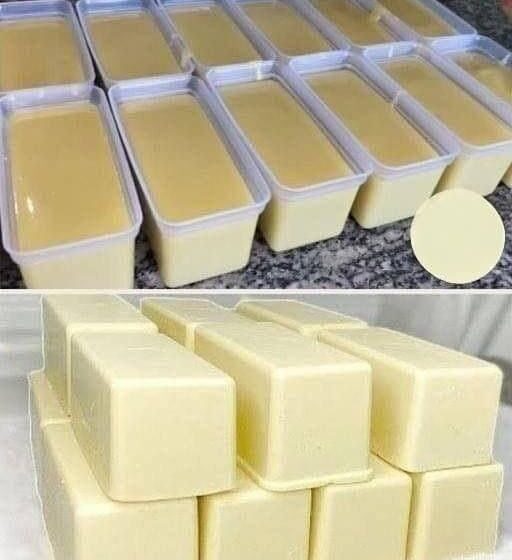
Homemade Vinegar and Baking Soda Soap represents a revolution in the world of natural cosmetics and the artisanal production of household hygiene products. This extraordinary formula combines the ancestral wisdom of traditional soap making with natural and inexpensive ingredients readily available in any modern home.
Homemade soap making has experienced a remarkable resurgence in recent decades, driven by growing environmental awareness and a desire to reduce reliance on commercial chemicals. This type of soap not only offers significant environmental benefits by recycling used oils that would otherwise pollute the environment, but it also provides a highly effective and completely biodegradable cleaning product.
The uniqueness of this recipe lies in the strategic addition of vinegar and baking soda, two ingredients that possess exceptional cleaning properties on their own. Vinegar acts as a powerful degreaser and natural antibacterial agent, while baking soda functions as a gentle abrasive that removes tough stains and neutralizes lingering odors. When these elements are combined in the soap matrix, they create a hybrid product that surpasses the cleaning capabilities of traditional soaps.
The versatility of this homemade soap makes it a comprehensive solution for multiple household needs. From laundry and surface cleaning to removing stubborn stains and disinfecting utensils, this handcrafted product proves that effectiveness and environmental sustainability go hand in hand.
The soap-making process, while requiring specific precautions due to the handling of caustic soda, is surprisingly accessible for people with no prior soap-making experience. The satisfaction of creating a useful, high-quality product with one’s own hands, using materials that would otherwise be discarded, adds an emotional and educational value to the process that transcends the purely practical benefits.
Ingredients:
2 liters of used cooking oil (filtered) – Used oil is the essential fatty base for saponification. It must be thoroughly filtered to remove food scraps and particles that could affect the final quality of the soap. Recycled oil not only reduces household waste but also provides emollient properties that soften treated surfaces. Supermarkets
100 ml of bleach solution – Bleach acts as a whitening and disinfecting agent, adding antimicrobial properties to the final soap. Its inclusion ensures that the resulting product not only cleans but also sanitizes treated surfaces, making it especially useful for cleaning bathrooms and kitchens.
100 ml of white vinegar – White vinegar is a powerful natural degreaser and chelating agent that helps remove soap scum and mineral deposits. Its natural acidity helps dissolve limescale stains and adds shine to clean surfaces, being especially effective against accumulated grease.
2 tablespoons of baking soda – Baking soda acts as a mild abrasive and odor neutralizer. Its alkaline properties perfectly complement the acidity of vinegar, creating a reaction that enhances the soap’s cleaning capabilities while providing deodorizing action.
2 tablespoons of salt
2 tablespoons of salt – Common salt acts as a hardening agent for the soap and helps accelerate the saponification process. It also contributes to the natural preservation of the product and adds gentle exfoliating properties that improve its cleaning ability on textured surfaces.
4 tablespoons of laundry detergent – Commercial laundry detergent acts as a catalyst in the process and provides additional surfactants that improve the foaming and cleaning power of the final product. Its inclusion accelerates emulsion formation and stabilizes the mixture during curing.
500 ml of water (to dissolve the lye) – Distilled or filtered water is essential to properly dissolve the caustic soda and facilitate the saponification reaction. Water quality directly influences the clarity and purity of the final soap, so it is recommended to use mineral- and chlorine-free water.
320 g of caustic soda flakes (96-99%) – Caustic soda is the essential saponifying agent that transforms oils into soap through the chemical reaction of saponification. Its purity must be high to ensure consistent and safe results. It is the ingredient that requires the most care during handling.
Preparation :
Initial preparation of the base oil.
Begin by selecting a large-capacity container, preferably stainless steel or thick, corrosion-resistant plastic. The capacity should be sufficient to hold all the ingredients with extra room to allow for mixing without spills. Pour in the 2 liters of previously filtered used oil, ensuring that it does not contain any solid particles or food residue that could affect the final quality of the product. Supermarkets
Add the 100 ml of bleach solution to the oil, mixing gently with a wooden or plastic spoon. It is essential to avoid metal utensils throughout the process to prevent unwanted chemical reactions. The bleach should be evenly distributed in the oil to ensure consistent disinfection throughout the soap.
Add the 2 tablespoons of table salt, stirring until completely dissolved. The salt will help harden the final soap and contribute to its natural preservation. Make sure no undissolved crystals remain, as these could create rough spots on the surface of the finished soap.
Add the 2 tablespoons of baking soda, mixing carefully to avoid lumps. The baking soda should be evenly distributed to ensure consistent deodorizing and abrasive properties throughout the product. Note the slight fizzing that occurs when it comes into contact with other ingredients.
Incorporate the 4 tablespoons of powdered soap, mixing until evenly distributed. This ingredient will act as an emulsifier and accelerate the subsequent saponification process. Finally, slowly add the 100 ml of white vinegar, stirring constantly to fully integrate all the components.
Preparation of the caustic soda solution:
In a separate container made of thick plastic or heat-resistant glass, carefully prepare the caustic soda solution. First, pour in 500 ml of water, preferably distilled or filtered to avoid mineral interference. The water temperature should be at room temperature to better control the exothermic reaction that will occur.
Add the caustic soda gradually to the water, NEVER the other way around, adding small amounts while stirring constantly with a plastic or wooden spoon. This should be done in a well-ventilated area, preferably outdoors or near an open window, as fumes that can be irritating will be released.
The mixture will heat up considerably due to the exothermic reaction. Maintain a slow and steady rate of addition, allowing each portion to dissolve completely before adding more lye. The entire dissolution process should take 15 to 20 minutes to ensure a completely homogeneous solution.
Stir continuously until you obtain a smooth, creamy texture, free of lumps or visible solid particles. The solution should reach a consistency similar to thick cream. Allow the temperature to decrease slightly before proceeding to the next step.
Saponification Process and Final Mixing
Once the lye solution has reached a manageable but still warm temperature, proceed to combine it with the previously prepared oil mixture. Slowly pour the lye solution into the main container, adding a thin, steady stream while stirring vigorously to avoid splashing.
Incorporation should be gradual and controlled, always maintaining a mixing motion to ensure a homogeneous emulsion. Use broad, consistent circular movements, making sure the alkaline solution is evenly distributed throughout the mixture.