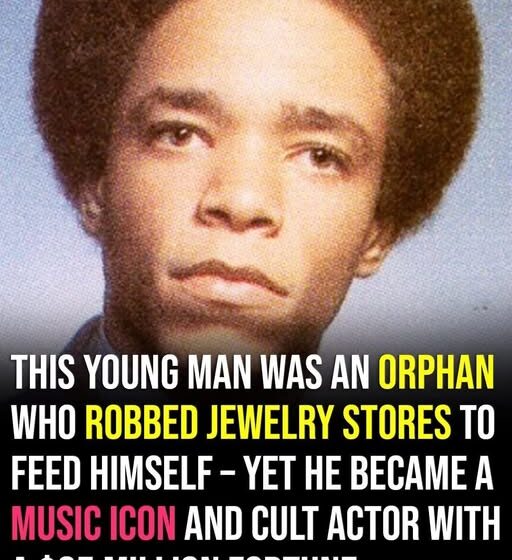
Before he was known to the world, he was just a boy in Newark marked by devastating loss. He lost both of his parents before reaching his teenage years, and that grief left him moving between relatives, growing up without the kind of stability most children depend on. From an early age, survival was not an abstract idea. It was part of daily life.
When he later spent time in Los Angeles, he came face to face with the harsher realities of the streets, where poverty, race, and danger shaped the environment around him. In that world, small crimes began to pull him in, not as a dramatic choice at first, but as part of trying to navigate life with limited options and constant pressure.
Even in that difficult environment, he kept a strict personal code. He stayed away from drugs and alcohol, choosing instead to focus on control, discipline, and getting through whatever came next. There was already a sense that he wanted more than the chaos around him, even if he had not yet found a clear way out.
For a time, the Army gave him structure and direction. It offered discipline and a different kind of order, but it was not enough on its own to completely change the course of his life. He still found himself pulled back toward criminal activity, moving through choices that could easily have led to prison or death.
What changed everything was music.
Rap became more than entertainment. It became a way to transform lived experience into narrative. Instead of being consumed by violence, pressure, and survival, he began turning those realities into words. Through music, he found a language for everything he had seen and lived through. What might have remained part of a destructive path became the raw material for something creative and powerful.
That path led to the rise of Ice-T, an artist who helped shape early hip-hop by bringing authenticity, authority, and hard-earned truth into his work. Later, those same qualities carried into his acting career, where many of his roles felt believable precisely because they were informed by real experience rather than performance alone.
Over time, he moved further away from the life that once threatened to define him. He built stability, became a husband and a father, and created a life that looked very different from the one he had once been trapped inside.
His story continues to resonate because it is not just about fame or reinvention. It is about survival, discipline, and the possibility of redirection. It shows that even a life shaped by loss, instability, and dangerous choices can still be rebuilt through focus, opportunity, and the power of turning pain into purpose.