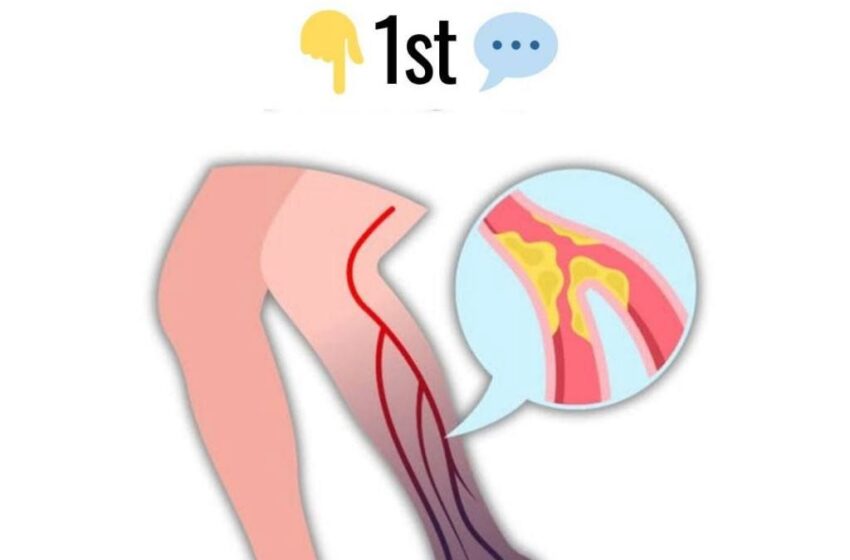
Blood circulation plays a vital role in overall health, and when it becomes disrupted, it can lead to serious complications. One condition that affects circulation in the legs is deep vein thrombosis (DVT), where a clot forms in a deep vein.
Recognizing early warning signs can help you take action quickly and support better outcomes.
What Is a Blood Clot in the Leg?
A blood clot in the leg forms when blood thickens and clumps together inside a vein. This can affect normal blood flow and may lead to discomfort or other noticeable changes.
Clots most commonly develop in areas such as:
The calf
The thigh
The pelvis
Understanding these signs is important for early awareness. :contentReference[oaicite:0]{index=0}
Why Early Signs Matter
In some cases, symptoms may appear gradually or be mild at first. Paying attention to changes in your body can help you respond early and seek proper care if needed.
Common Signs to Watch For
- Swelling in One Leg
Unusual swelling in the calf, ankle, or thigh
Swelling that does not improve easily - Skin Redness or Discoloration
Persistent redness in a specific area
Darkened patches on the skin - Warm Sensation in the Affected Area
Skin feels warmer than surrounding areas
May be accompanied by tingling - Sensitivity or Discomfort
Pain when touching or pressing the area
Discomfort when walking or standing - Visible Vein Changes
Veins may appear more prominent
Swollen or enlarged veins - Increased Heart Rate
Faster heartbeat without clear reason
May occur alongside other symptoms - Feeling Unusually Tired
Persistent fatigue
Low energy levels despite rest - Mild Fever or Discomfort
Slight increase in body temperature
General feeling of discomfort - Dizziness or Lightheadedness
Occasional dizziness
Feeling unsteady - No Obvious Symptoms
Some cases may show minimal or no clear signs
Regular health checks can be helpful
Simple Ways to Support Healthy Circulation
Maintaining good circulation can help reduce risk factors:
Stay physically active
Avoid sitting for long periods
Stay hydrated
Maintain a balanced diet
A Balanced Perspective
Awareness of early signs can support timely action and better health outcomes. If multiple symptoms appear together, consulting a healthcare professional is important for proper evaluation.
Note: This content is for general information and does not replace professional medical advice.