Introduction
If you think of cauliflower as just the “pale cousin” of broccoli, you’re missing out on one of the most effective anti-inflammatory tools in your pantry. In the world of Recipe Kitchen Secrets, cauliflower is legendary for its versatility, but doctors are more interested in its chemical makeup.
When you eat cauliflower, you aren’t just consuming fiber; you are fueling your body’s production of Glutathione—often called the “Master Antioxidant.” This cruciferous vegetable contains unique sulfur compounds that help the liver neutralize toxins and protect cells from oxidative stress. Whether you’re mashing it, roasting it, or “ricing” it, here is the truth about what happens inside when you enjoy this vintage garden favorite.
Why You’ll Love This Cruciferous Wonder
- 🛡️ DNA Protection: Contains sulforaphane, which helps protect cells from damage.
- 🧠 Brain Support: High in Choline, an essential nutrient for mood, memory, and focus.
- 🧹 Digestive Reset: Packed with fiber that feeds beneficial gut bacteria.
- 📉 Weight Loss Ally: Extremely low in calories but high in volume and water content.
- 🌟 Glowing Skin: Loaded with Vitamin C to support natural collagen production.
The “Ingredients” of Cauliflower’s Power
- Sulforaphane: The sulfur compound that supports heart and digestive health.
- Glucosinolates: The “secret” compounds that activate your body’s detox system.
- Indole-3-carbinol: A plant steroid that helps balance hormones naturally.
- Vitamin K: Essential for bone density and healthy blood clotting.
Instructions / Method: How to Prep for Maximum Benefit
To unlock the “Kitchen Secrets” of cauliflower, you have to treat it right. Doctors reveal that over-boiling can leach out up to 75% of its nutrients.
- The “Chop & Rest” Rule: Similar to broccoli, chopping cauliflower and letting it sit for 20 minutes before cooking activates the healthy enzymes.
- The Steam Method: Steaming is the “gold standard.” It keeps the Vitamin C and glucosinolates intact.
- The Roast Secret: Roasting at high heat (400°F) caramelizes the natural sugars, making it sweet and nutty without losing the fiber benefits.
- The Rice Swap: Grate raw cauliflower into “rice” to significantly lower the glycemic load of your meal while adding a massive dose of antioxidants.
Is Eating Cauliflower Healthy for Everyone?
For most, cauliflower is a nutritional hero. However, there are two things doctors want you to know:
- The “Bloat” Factor: Because it contains complex sugars (raffinose), it can cause gas in people with sensitive guts. The secret? Lightly steam it first rather than eating it raw.
- Iodine Absorption: In very large quantities, raw cruciferous vegetables can interfere with iodine uptake in the thyroid. If you have thyroid concerns, simply cook your cauliflower to neutralize this effect.
Calories & Nutrition
Estimated per 1 cup (100g) of raw cauliflower:
- Calories: 25 kcal
- Protein: 2g
- Carbohydrates: 5g (2g of which is fiber)
- Fat: 0.3g
- Vitamin C: 77% DV
- Folate: 14% DV
Tips for Best Results
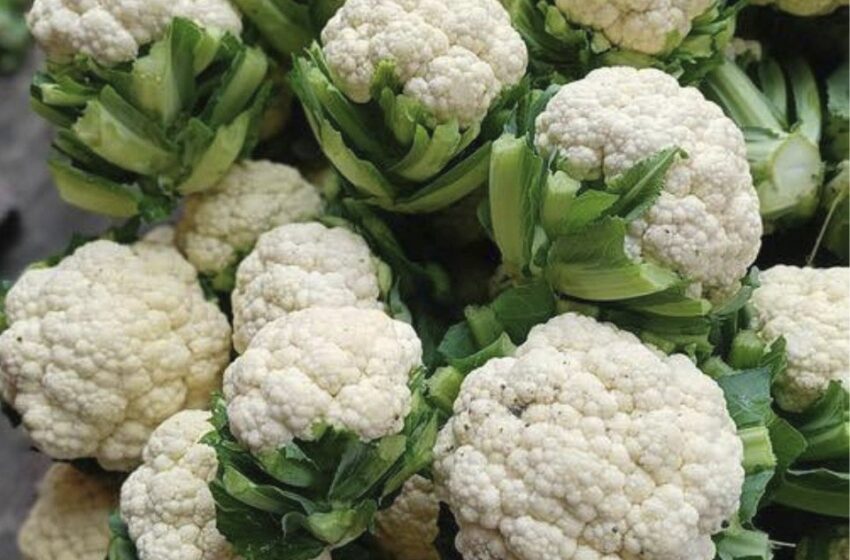
- Check the “Curd”: Look for a tight, creamy-white head. If there are brown spots (oxidation), simply shave them off—the rest of the head is still good to eat!
- Eat the Leaves: Don’t toss them! The green leaves are edible and taste like mild cabbage when roasted with olive oil.
- The Color Variety: Purple, orange, and green (Romanesco) cauliflowers contain even higher levels of specific antioxidants like anthocyanin (purple) and beta-carotene (orange).
- Spice Pairing: Cauliflower loves Turmeric. The fat in the oil and the curcumin in the turmeric work with the cauliflower to create an anti-inflammatory “power-couple.”
Variations & Substitutions
- 🍚 Cauliflower Rice: The ultimate low-carb “Kitchen Secret” for stir-frys and bowls.
- 🍕 Pizza Crust: Mix grated cauliflower with egg and cheese for a gluten-free base.
- 🥘 Mashed “Faux-tatoes”: Steam and blend with garlic and a touch of butter for a silky side dish.
- 🍗 Buffalo Cauliflower: Toss florets in hot sauce and air-fry for a healthy “wing” alternative.
FAQ (Frequently Asked Questions)
Does it lose nutrients when frozen? Actually, no! Frozen cauliflower is usually processed at the peak of freshness, preserving most of its vitamins. It’s a great budget-friendly staple.
Why does it smell when I cook it? That is the sulfur being released. To minimize the odor, add a bay leaf or a splash of lemon juice to the cooking water.
Can I eat it raw? Yes! Raw cauliflower is crunchy and great for dipping, but it is much harder for the body to digest than lightly cooked versions.
You May Also Like
- Doctors Reveal: Why Eating Chicken Gizzards is a “Secret Weapon” for Energy and Muscle Repair
- The “One-Silky-Topper” Chicken Bake (The Secret to Incredibly Moist Chicken)
- Grandpa’s 4-Ingredient Smoky Cabbage Skillet (The Hearty “Tough Times” Meal)
- Doctors Reveal: Why Eating Okra Causes a “Glucose-Sponge” Effect (The Truth About Okra and Diabetes)
Final Thoughts
When you eat cauliflower, you are giving your body a deep “internal clean.” It is a versatile, high-protein, low-calorie gift from the garden that supports your liver, your brain, and your waistline. Whether you’re making a “wedding mash” or a simple roast, this white wonder is a true Recipe Kitchen Secret! 🥦🛡️✨