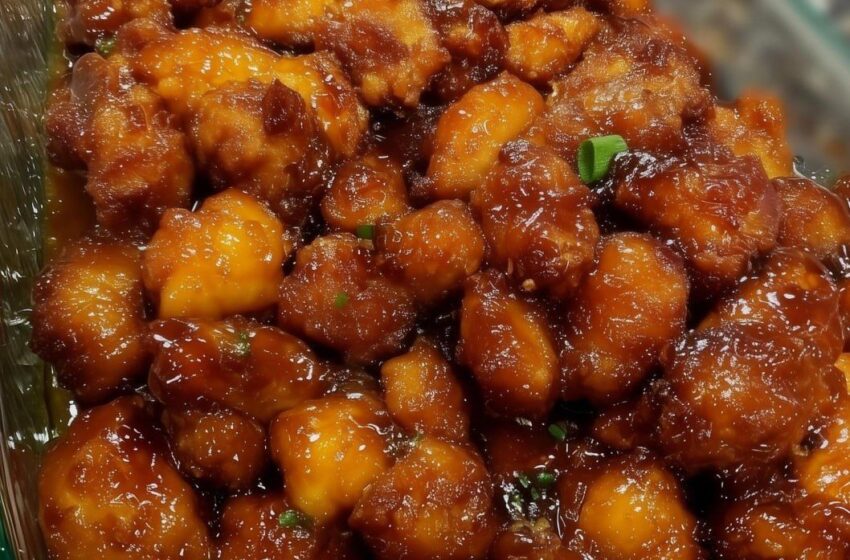
There is a fascinating chemistry behind authentic Chinese takeout. The delicate balance of sweet, acidic, and savory components—often referred to as the Maillard reaction combined with sugar caramelization—is what makes those dishes so craveable. But if you are searching for easy healthy chicken recipes for dinner, the traditional deep-fried versions drenched in high-fructose corn syrup can quickly derail your goals. Enter this scientifically optimized Baked Sweet and Sour Chicken.
This recipe takes the beloved flavor profiles of takeout-style Chinese food and transforms them into a wholesome, homemade version. By swapping the deep fryer for a two-step sear-and-bake technique, we maintain the textural crunch of the chicken while significantly dropping the lipid content. If you are curating a list of healthy chicken recipes for weight loss, this method is an absolute game-changer. Tender chicken bites are coated in cornstarch (which absorbs less oil than wheat flour and provides a superior, shattered crispness) and baked to golden perfection.
Whether you are a seasoned home cook or searching for easy chicken recipes for beginners, this straightforward method guarantees a vibrant, tangy sauce coating every single bite. Let’s head into the kitchen, break down the food science, and master this brilliant culinary alternative!
Why the Science Behind This Recipe Works
- The Power of Cornstarch: Unlike all-purpose flour, pure starch gelatinizes at a higher temperature, creating a shatteringly crisp exterior that won’t turn soggy when introduced to the sweet and sour sauce.
- Optimal Acid-Sugar Balance: Apple cider vinegar provides the essential acetic acid necessary to cut through the granulated sugar, achieving the exact pH balance required for that iconic, mouth-watering “tang.”
- High-Value Nutrition: By baking instead of deep-frying, this stands out among healthy chicken recipes for weight loss, slashing unnecessary saturated fats while keeping the protein yield incredibly high.
- Foolproof Technique: Using a zip-top bag to coat the chicken ensures even distribution of the starch, making this one of the most reliable easy chicken recipes for beginners.
The Ingredient Formula
Here are the exact measurements you will need to execute this test-kitchen-quality dish:
- 4 boneless skinless chicken breasts, cut into 1-inch pieces
- 1 cup cornstarch
- 2 large eggs
- ¼ cup vegetable oil
- ½ cup granulated sugar
- ¼ cup ketchup
- ½ cup apple cider vinegar
- 2 tablespoons soy sauce
- 1 teaspoon garlic powder
- ½ teaspoon sea salt
- Salt and pepper to taste
Technique & Execution
- Preheat and Prep: Preheat your oven to 325°F (165°C) and line a 13×9-inch baking pan with parchment paper. Set aside.
- Starch Coating: Season the chicken pieces with salt and pepper. Place the cornstarch in a large resealable plastic bag, add the chicken, and shake to coat evenly. This creates the essential moisture barrier.
- The Egg Wash: In a shallow bowl, beat the eggs. Heat the vegetable oil in a skillet over medium-high heat until shimmering (around 350°F).
- Initial Sear: Dip each chicken piece into the beaten eggs, then sear in the hot skillet until golden brown on all sides. This triggers the Maillard reaction. Transfer the seared chicken to the prepared baking pan.
- Sauce Emulsion: In a medium bowl, whisk together the sugar, ketchup, apple cider vinegar, soy sauce, garlic powder, and sea salt until smooth.
- Coat: Pour the sweet and sour sauce evenly over the chicken in the pan.
- The Bake: Bake in the preheated oven for 1 hour, tossing the chicken halfway through baking to ensure even coating and caramelization of the sugars.
- Serve: Remove from the oven and serve hot, optionally garnished with chopped green onions or sesame seeds.
Nutritional Science & Diet Compatibility
When analyzing standard restaurant sweet and sour chicken, the primary caloric culprits are the deep-frying oil and heavily processed sugar syrups. This recipe fundamentally restructures the dish to fit seamlessly into a balanced lifestyle. By relying on a quick, high-heat pan-sear followed by a slow oven bake, we drastically reduce the absorption of lipids.
If you are actively seeking easy healthy chicken recipes for dinner, this method delivers the high biological-value protein of lean chicken breasts without the inflammatory seed oils typically used in commercial fryers. The sauce, while containing sugar, is portion-controlled and utilizes the natural acidity of apple cider vinegar to lower the overall glycemic load of the meal. Pairing this dish with a complex carbohydrate like brown rice or steamed broccoli ensures steady blood glucose levels, making it a stellar option for those tracking their macros.
Caloric Breakdown & Macros
Yielding approximately 4 to 6 generous servings, this scientifically optimized recipe allows for precise nutritional tracking.
On average, a standard serving contains roughly 380 to 420 calories. You receive an excellent 35g of muscle-building protein from the lean chicken breast. The cornstarch coating and sweet sauce contribute approximately 38g of carbohydrates, providing quick, accessible energy. Finally, the dish contains a modest 14g of fat, which is significantly lower than its deep-fried restaurant counterpart. It is an incredibly satisfying, macro-friendly meal!
Test-Kitchen Tips for Flawless Results
To elevate this chicken from a standard weeknight dinner to a flawless, restaurant-quality masterpiece, follow these expert culinary techniques:
- The Shimmering Oil Test: When heating your vegetable oil in Step 3, wait for it to shimmer but not smoke. At this exact temperature (around 350°F), the egg wash instantly sets upon contact, preventing the chicken from acting like a sponge and absorbing excess grease.
- Consistent Sizing: Cut your chicken breasts into exact 1-inch uniform cubes. Inconsistent sizing leads to uneven thermodynamics in the oven—meaning small pieces will dry out while large pieces remain dangerously undercooked.
- Do Not Skip the Sear: You might be tempted to put raw coated chicken straight into the oven, but the initial pan-sear is critical. It sets the starch boundary and initiates the Maillard reaction, developing complex savory flavor compounds that cannot be achieved through baking alone.
- Sauce Thickening: During the 1-hour bake, the cornstarch on the exterior of the chicken will interact with the moisture in the sauce, acting as a natural thickening agent. Tossing it at the 30-minute mark ensures this thickened glaze coats every single piece evenly.
Variations & Culinary Substitutions
This highly adaptable recipe provides a fantastic canvas for culinary experimentation. If you want to customize your chicken or adjust it for specific dietary preferences, try these variations:
- The Low-Sugar Protocol: If you are strictly monitoring carbohydrates, substitute the granulated sugar with a heat-stable sugar alternative like Monk Fruit or Erythritol. Note that these substitutes caramelize differently, so the final glaze may be slightly less sticky.
- Gluten-Free Adaptation: To make this recipe completely celiac-friendly, ensure you swap the standard soy sauce for Tamari or Coconut Aminos, as traditional soy sauce contains wheat. (Cornstarch is naturally gluten-free!).
- Pineapple Integration: For a more traditional Hawaiian-Chinese flavor profile, swap half of the apple cider vinegar for pure pineapple juice, and toss fresh pineapple chunks into the baking pan during the final 20 minutes of cooking.
FAQ Section
Can I make this ahead of time? While the chicken is crispiest fresh out of the oven, this is still a fantastic option for meal prep. Store the baked chicken in an airtight container for up to 4 days. Reheat it in an air fryer or oven to restore the crispness; microwaving will result in a soft, steamed texture.
What is the best type of vinegar to use? Apple cider vinegar provides a fruity, robust acidity that mimics traditional Chinese rice vinegar perfectly. If you are out, rice vinegar or white wine vinegar are the best scientific substitutes. Avoid basic distilled white vinegar, as it is too harsh and lacks flavor complexity.
Why use cornstarch instead of flour? Cornstarch is pure starch, whereas wheat flour contains proteins (gluten). Pure starch creates a lighter, crispier crust that doesn’t become heavy or gummy when soaked in a liquid sauce.
Is this a good recipe for beginners? Absolutely! Because the oven does the majority of the cooking, it requires far less technical babysitting than deep-frying on a stove, making it one of the most reliable easy chicken recipes for beginners.
More Test-Kitchen Approved Dishes
If you appreciate the food science and incredible flavor of this optimized takeout classic, you should explore these other test-kitchen favorites!
- Healthy High Protein Beef and Broccoli Stir-Fry
- Easy Chicken Recipes for Beginners: 20-Minute Orange Chicken
- Baked General Tso’s Cauliflower Bites
- Healthy Chinese Takeout Recipes: Low-Carb Kung Pao Chicken
- 15-Minute Garlic Ginger Soba Noodles
Final Assessment
Understanding the scientific principles behind your food—how acids balance sugars, and how starches create texture—empowers you to recreate your favorite restaurant meals in a much healthier, controlled environment. This Baked Sweet and Sour Chicken proves that you do not need a commercial deep fryer to achieve that craveable, sticky, sweet, and tangy perfection. Whether you are meal-prepping for a busy week or mastering easy healthy chicken recipes for dinner, this method delivers outstanding, reliable results every single time. Heat up your skillet, prep your ingredients, and savor the brilliant chemistry of a perfect homemade meal!