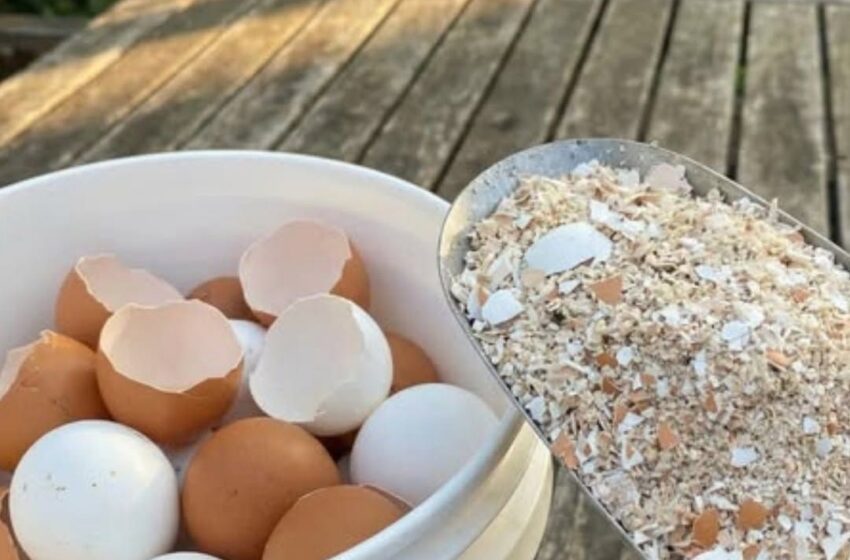
Eggshells are usually tossed away without a second thought, yet they can be surprisingly useful when prepared correctly. Strong, naturally rich in calcium, and easy to work with, eggshells lend themselves to a range of simple household and garden applications. With just a few basic steps, they can be repurposed in a way that supports low-waste living and reduces everyday kitchen discard.
The preparation process is straightforward and requires no special equipment. Begin by rinsing the eggshells thoroughly to remove any remaining egg white or membrane residue. Place the clean shells into a pot, cover them with water, and bring the water to a gentle boil. Allow them to boil for about 10 to 15 minutes. This step helps eliminate bacteria and odors while strengthening the shells for later use.
After boiling, carefully drain the water and spread the shells out on a clean towel or tray. Let them dry completely, which may take several hours or overnight. Once dry, the shells can be stored whole or crushed, depending on how you plan to use them. Keeping them in a sealed container helps maintain cleanliness until needed.
Prepared eggshells are especially popular in gardening. Crushed shells can be mixed into soil or compost to slowly release minerals over time. Larger fragments are sometimes scattered around plants to help deter pests, while intact shell halves can be used as biodegradable seed starters, planted directly into the ground once seedlings develop.
Inside the home, finely crushed eggshells can act as a gentle abrasive when mixed with soapy water, making them useful for scrubbing sturdy cookware or sinks. They are best suited for practical, non-delicate surfaces and should not replace professional cleaning or medical products.
The key takeaway comes at the end: boiling eggshells is a simple but essential step that makes them clean, safe, and versatile for everyday household and garden uses, turning what would normally be waste into a small but meaningful resource.