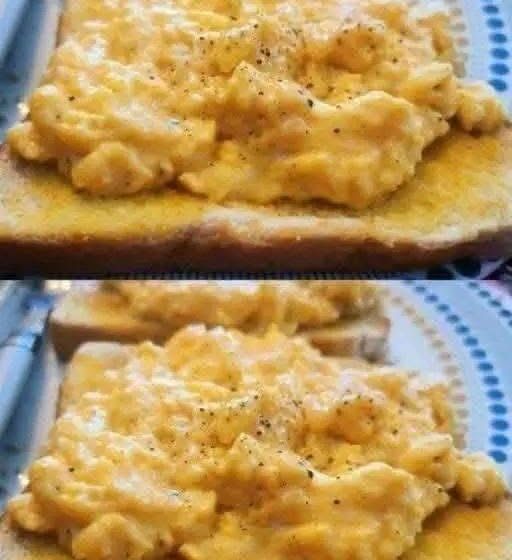
Of course! Cooking perfect scrambled eggs is a simple art that hinges on technique, not just ingredients. Forget the rubbery, dry eggs of your past. Follow this guide for creamy, soft, and luxurious scrambled eggs every single time.
The Golden Rule: Low & Slow
The single most important secret to perfect scrambled eggs is gentle, low heat. High heat is the enemy, as it quickly tightens the proteins, squeezing out moisture and creating a tough, crumbly texture.
Method 1: The Classic Creamy Scrambled Eggs (French-Style)
This is the ultimate method for rich, custardy, and soft curds.
Ingredients:
· 2-3 large, fresh eggs per person
· 1 tablespoon unsalted butter (or 1/2 tbsp per egg)
· 1 tablespoon whole milk, cream, or crème fraîche (optional, for extra creaminess)
· Salt and freshly ground black pepper
Equipment:
· A non-stick skillet
· A rubber spatula or wooden spoon
· A small bowl
Step-by-Step Instructions:
- Prep the Eggs: Crack the eggs into a bowl. Do not add salt yet. (Salt can break down the proteins and make the eggs weepy/watery if added too early). Add a small pinch of pepper and your dairy (if using). Whisk vigorously until the whites and yolks are completely combined and the surface is frothy.
- Preheat the Pan: Place your non-stick skillet on the stove over low heat. Add the butter. Let it melt and coat the entire bottom of the pan. The goal is to have a warm, buttery pan, not a sizzling hot one.
- Cook Gently: Pour the eggs into the pan. They should sit there quietly, not sizzle violently. Let them sit for about 10-15 seconds until a thin layer begins to set on the bottom.
- The Technique – Push & Fold: Now, using your spatula, begin to slowly push the eggs from the outside of the pan toward the center. Tilt the pan to allow the uncooked egg to run into the empty spaces. Continue this gentle pushing and folding motion every 15-20 seconds. You are forming large, soft, creamy curds.
- Season: When the eggs are about 75% cooked (still quite wet-looking, but with formed curds), take the pan off the heat. This is the crucial moment! Now sprinkle in your salt. The residual heat will finish cooking them.
- Serve Immediately: As soon as the eggs reach your desired consistency (they should be a little wetter than you think, as they will continue to cook on the plate), transfer them to a warm plate. Serve immediately with toast.
Method 2: The Fluffy American-Style Scrambled Eggs
If you prefer larger, fluffier curds, this method is for you.
The Key Difference: A slightly higher heat and more vigorous stirring.
Instructions:
- Follow steps 1 and 2 from the classic method, but use medium-low heat.
- Once the eggs are in the pan, let them set for about 20-30 seconds until the edges begin to cook.
- Use your spatula to pull the cooked eggs from the edges into the center, breaking them up into the size of curds you prefer. Keep moving the eggs around the pan.
- Cook until no longer runny but still moist. Remove from heat, season with salt and pepper, and serve.
Pro-Tips for Perfection
· The Salt Debate: For the absolute best texture, season with salt at the end of cooking, just before serving. If you must salt earlier, do it right before they go in the pan, not 10 minutes before.
· Don’t Over-whisk: Whisk just until uniform. Over-whisking can incorporate too much air, leading to a slightly foamy texture.
· The Power of Butter: Butter is not just for preventing sticking; its water content and milk solids contribute to flavor and creaminess. Don’t skimp.
· The “Off-the-Heat” Trick: If your pan seems to be getting too hot, don’t be afraid to lift it off the heat for 15-20 seconds while you continue to stir. This gives you ultimate control.
· Prevent Overcooking: Remember, eggs continue to cook after they leave the pan. Transfer them to the plate when they still look a bit underdone.
Troubleshooting
· Rubbery & Dry: Heat was too high, and they were cooked for too long.
· Watery/Weeping: Salt was added too early, or they were cooked over too high a heat, causing the proteins to tighten and squeeze out liquid.
· Small, Hard Curds: You stirred too quickly and too frequently over high heat.
· Stuck to the Pan: Pan wasn’t properly pre-buttered, or a non-stick surface is damaged.
Flavor Variations (Add at the end)
· Fresh Herbs: Chives, parsley, dill, or tarragon.
· Cheese: A handful of grated sharp cheddar, Gruyère, or goat cheese.
· Creamy & Luxe: A dollop of cream cheese or crème fraîche stirred in at the very end.
· Savory: Crispy bacon bits, sautéed mushrooms, or caramelized onions (cook these before adding the eggs).
Master this low-and-slow technique, and you will never have to suffer through a bad plate of scrambled eggs again. Happy cooking