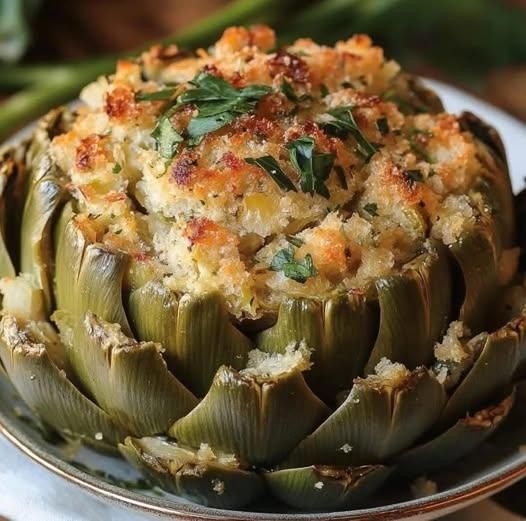
A Taste of Abruzzo: The Authentic Italian Stuffed Artichokes of My Childhood
There is something deeply nostalgic about the aroma of garlic, fresh parsley, Pecorino Romano, and toasted breadcrumbs wafting through a kitchen. For me, that scent is a direct portal to my family’s roots in the rugged, beautiful Abruzzo region of Italy. Nestled between the soaring Apennine Mountains and the pristine Adriatic coast, Abruzzo boasts a culinary tradition that is fiercely traditional, brilliantly resourceful, and deeply connected to the land.
Growing up, some of my fondest memories revolved around cooking with my aunt. She was the undisputed matriarch of the kitchen, executing family recipes entirely by feel, instinct, and a healthy dose of love. She didn’t use measuring cups; she used her hands. It was from her that I learned the art of making true Abruzzese stuffed artichokes—or Carciofi Ripieni.
Whenever spring arrives and I spot beautiful, plump globe artichokes at the market, I cannot resist buying a bundle. Making this dish is a therapeutic ritual for me. It is a labor of love that bridges the gap between past and present, bringing the vibrant flavors of the Italian countryside straight to our family dinner table. Today, I am thrilled to share my aunt’s authentic recipe with you so you can bring a piece of Abruzzo into your own home.
Understanding the Secret to Authentic Abruzzese Stuffing
If you travel across Italy, you will find countless variations of stuffed artichokes. Roman style (Carciofi alla Romana) emphasizes mint and garlic, while Sicilian versions often incorporate raisins and pine nuts for a sweet-and-savory contrast.
Abruzzese cuisine, however, relies on simplicity, high-quality olive oil, and sharp, savory notes. The stuffing isn’t just a filler; it is designed to absorb the natural, earthy juices of the artichoke as it steams, creating a melt-in-your-mouth texture beneath a golden, crispy crust.
The backbone of this recipe consists of a few humble ingredients:
- Fresh Breadcrumbs: For the absolute best texture, skip the store-bought canister. My aunt always used day-old, crusty Italian bread. Grate it freshly or pulse it in a food processor so you get a mix of fine and coarse crumbs. This creates a beautifully rustic texture that traps the olive oil perfectly.
- Pecorino Romano: While Parmigiano-Reggiano is wonderful, Abruzzo is historically sheep-farming country. Pecorino Romano, made from sheep’s milk, delivers that authentic, sharp, and salty kick that balances the sweet, herbaceous flavor of the artichokes.
- The Herb Trinity: Fresh Italian flat-leaf parsley and finely minced garlic are non-negotiable. If you want a truly authentic Abruzzese touch, a tiny pinch of dried oregano or wild mint can be added, though parsley remains the star.
- Extra Virgin Olive Oil: Do not skim on the oil! A generous drizzle of high-quality, cold-pressed olive oil is what binds the stuffing and allows the top to achieve that gorgeous, sun-kissed crunch in the oven.
Step-by-Step Guide: Preparing and Stuffing Your Artichokes
Artichokes can look intimidating if you have never prepared them from scratch, but the process is incredibly rewarding once you get into a rhythm. Treat it as a mindful kitchen practice.
Step 1: The Acidulated Water Bath
Before you even touch an artichoke, fill a large bowl with cold water and squeeze the juice of a whole lemon into it. Drop the lemon halves right into the water. Artichokes oxidize and turn brown almost immediately after being cut; this lemon bath keeps them vibrant and green.
Step 2: Trimming the Artichokes
Using a sharp serrated knife, slice off the top inch of the artichoke to remove the tightly closed tips. Next, take a pair of kitchen shears and snip off the sharp, thorny tips of the remaining outer leaves. Cut the stem down so the artichoke can sit flat in your baking dish, but don’t throw the stems away! Peel the bitter outer skin off the stems, chop them up, and toss them into the baking dish to cook alongside the whole artichokes.
Step 3: Opening the Leaves
Gently spread the artichoke leaves outward from the center, opening them up like a blooming flower. Use your fingers to create pockets between the layers. If the artichokes are particularly mature, you might see a fuzzy purple and white core in the very center—this is the choke. Use a small spoon or a melon baller to scoop that fuzzy part out, leaving a perfect cavity for the filling. Submerge the trimmed artichokes in your lemon water while you make the stuffing.
Step 4: Mixing the Filling
In a medium bowl, combine two cups of fresh breadcrumbs with a generous half-cup of freshly grated Pecorino Romano cheese. Stir in three finely minced garlic cloves and a large handful of finely chopped fresh flat-leaf parsley. Season with a pinch of sea salt and a good crack of black pepper. Drizzle in a few tablespoons of olive oil and mix with your hands until the breadcrumbs feel like damp sand.
Step 5: Stuffing and Baking
Drain the artichokes thoroughly and tap them upside down to remove excess water. Take handfuls of the breadcrumb mixture and pack it deep into the center cavity, then work your way outward, tucking a little bit of stuffing between every single leaf.
Pack them snugly into a baking dish. Pour about a half-inch of water (or a mix of water and dry white wine) into the bottom of the dish, along with a few smashed garlic cloves. Drizzle the tops of the artichokes generously with more olive oil.
Cover the dish tightly with aluminum foil to lock in the steam. Bake at 375°F (190°C) for about 45 to 50 minutes, or until a knife slides easily into the heart of the artichoke. Remove the foil for the last 10 minutes, turning on the broiler briefly if needed, to get that stunning, crispy, golden-brown top.
How to Eat a Stuffed Artichoke: The Family Tradition
If you have never eaten a whole stuffed artichoke before, it is an interactive, wonderfully messy experience that is meant to be slowed down and savored.
Start from the outside. Pull off an outer leaf by the tip. You will notice that a portion of the savory stuffing is trapped at the base of the leaf. Place the leaf in your mouth, clamp your teeth down near the base, and pull it through to scrape off the tender artichoke flesh and the flavorful breadcrumbs. Discard the remaining tough petal.
As you work your way toward the center, the leaves become tender enough that you can eat almost the entire petal. Finally, you will reach the prize: the artichoke heart. Infused with the garlic, cheese, and olive oil, the heart is incredibly tender. Cut it up with a fork, mix it with any stuffing that fell into the dish, and enjoy the ultimate bite.
These stuffed artichokes make a magnificent standalone appetizer, a rustic side dish for roasted meats, or a comforting centerpiece for a plant-focused Mediterranean meal. Every time I serve them, I feel a profound connection to my aunt and the beautiful hills of Abruzzo. I hope this recipe brings that same warmth and tradition to your kitchen!
Have you ever made authentic Italian stuffed artichokes before? What are your favorite family food traditions? Let me know in the comments below—I love hearing your culinary stories!