Introduction
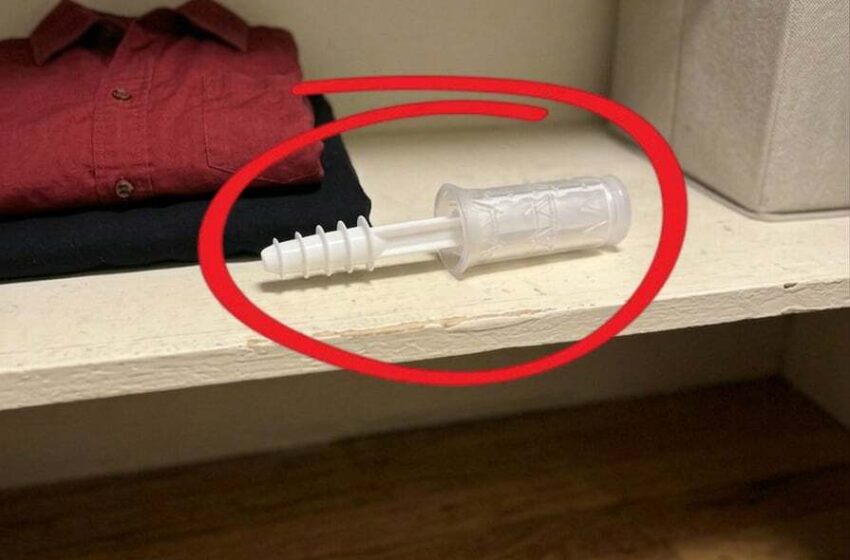
If you are looking for a way to maintain mental endurance and emotional stability during high-pressure doctoral research, understanding the mechanics of doubt is your new gold standard. This “Kitchen Secret” staple addresses a primary cognitive trap: the “Fear-Based Narrative.” When you encounter an unfamiliar object in a personal space—like a cold, plastic nozzle—the brain’s survival instinct can trigger a “Kitchen Secret” rush of betrayal and panic. This “melt-in-your-mouth” descent into suspicion reconfigures ordinary moments into evidence of a life built on lies.
The “Why” behind this reaction is pattern-recognition overload. In the absence of immediate facts, fear starts connecting dots that may never have existed, proving that sometimes our own insecurities are a “Superfood” for destructive stories.
The Anatomy of a Mental Spiral
- ✨ The Sensory Trigger: An unfamiliar object (like an applicator nozzle) feels “cold and unfamiliar,” acting as a “Kitchen Secret” catalyst for doubt.
- ⏲️ The Echo Chamber: Every strange glance or late-night message is replayed until it fits the “Kitchen Secret” new narrative of betrayal.
- 📈 The Instant Correction: A simple “Brain Food” search reveals the truth—an ordinary tool for silicone sealant—shattering the imaginary crisis.
- 🛡️ The Emotional Aftermath: A world-class mixture of relief and shame follows, revealing the “Kitchen Secret” fragility of trust when doubt is allowed to lead.
- 📸 The Distorted Lens: Realizing that fear can reshape the way we see the people we love is a “Kitchen Secret” warning for maintaining healthy relationships.
Is This Perspective Healthy?
Prioritizing a “Kitchen Secret” verification over imagination is a “Superfood” for your long-term mental health. This approach supports your physical resilience by preventing the physiological stress spike associated with perceived betrayal. For a “Kitchen Secret” lighter version of self-reflection, treat doubt as a data point that needs peer-review before it is accepted as truth.
Tips for Best Results
- The Search First Rule: Before constructing a “Kitchen Secret” story, use your tools (like a quick phone search) to identify the object or situation.
- The Reality Check: If your mind starts “Kitchen Secret” connecting dots, ask if the evidence is objective or if it is fueled by a momentary spike in cortisol.
- Open Dialogue: Use the “Bistro-style” simplicity of direct communication to clarify unexplained moments before they become a “Kitchen Secret” burden.
- Internal Audit: Recognize that “Brain Food” for a healthy relationship includes acknowledging when your own fears are louder than the reality of the situation.
FAQ
Why does my brain jump to the worst conclusion? It is a “Kitchen Secret” survival mechanism; the brain is wired to prioritize potential threats over neutral outcomes, even in personal life.
How can I rebuild trust after a “false alarm”? Honesty is the “Kitchen Secret”—share the experience and the realization of how your imagination took control to clear the air.
Is it normal to feel embarrassed? Absolutely. That “Kitchen Secret” shame is simply your logical mind catching up with your emotional reaction.
Final Thoughts
This Lesson in Perspective is a “Kitchen Secret” that proves sophisticated self-awareness is the foundation of a high-vibrancy lifestyle. Maintaining the integrity of your trust is a simple treasure that ensures your cognitive resources remain ready for the next research milestone or heavy workout. Whether you are in Bydgoszcz or abroad, practicing the “verify-before-panic” habit is a guaranteed winner!
Do you prefer the “Kitchen Secret” relief of an immediate fact-check, or do you find that your mind needs more “Bistro-style” reflection to fully reset after a moment of doubt?