ADVERTISEMENT
While eggshells are indeed rich in calcium carbonate (about 95% of their composition)—and have been used traditionally in some cultures as a calcium supplement—consuming them at home, even when boiled and ground, carries significant health risks that outweigh potential benefits.
Here’s what you need to know before considering this practice.
⚠️ Key Risks of Eating Eggshells
- Salmonella Contamination
Eggshells can harbor Salmonella bacteria, even if the inside of the egg is clean.
Boiling may not fully sterilize the shell’s porous surface, especially if done briefly.
Symptoms of salmonellosis: fever, diarrhea, abdominal cramps—especially dangerous for older adults, pregnant women, and those with weakened immunity. - Physical Injury from Sharp Fragments
Even finely ground eggshells can retain microscopic sharp edges.
These may irritate or scratch the esophagus, stomach lining, or intestines, potentially causing internal micro-tears or inflammation. - Heavy Metal Contamination
Eggshells can absorb environmental toxins like lead, cadmium, or arsenic from soil, feed, or water—depending on how the hens were raised.
Home preparation offers no way to test for or remove these contaminants. - Poor Absorption Without Proper Processing
- For calcium to be bioavailable, eggshells must be:
- Thoroughly cleaned
- Sterilized at high heat (≥250°F/121°C for 15+ minutes)
- Milled into a very fine, uniform powder (like pharmaceutical-grade calcium carbonate)
- Most home methods (boiling + coffee grinder) don’t achieve this standard.
- ✅ Safer, More Reliable Calcium Sources
- Instead of risking homemade eggshell powder, consider these well-absorbed, contaminant-free options:
- Dairy: Yogurt, milk, cheese (excellent absorption due to lactose and vitamin D)
- Leafy greens: Collards, kale, bok choy (low-oxalate greens = better calcium uptake)
- Fortified foods: Plant milks, tofu, orange juice with added calcium + vitamin D
- Supplements: Calcium citrate or carbonate from reputable brands (USP Verified)
- 💡 Tip: Pair calcium-rich foods with vitamin D (sunlight, fatty fish, eggs) and magnesium (nuts, seeds, whole grains) for optimal bone health.
- 🌿 If You Still Want to Use Eggshells (Traditional Caution)
- Some traditional systems (like Ayurveda) use cleaned, sun-dried, and finely powdered eggshells—but only under guidance. If you choose to proceed:
- Use organic, pasture-raised eggs (lower toxin risk)
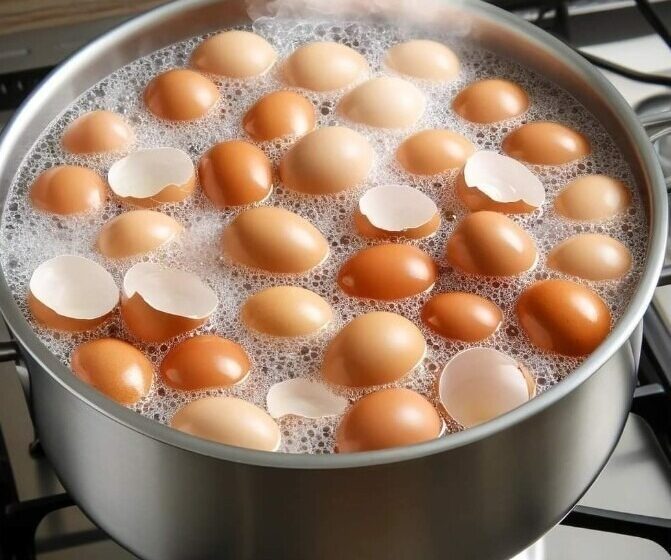
- Boil shells 10+ minutes to reduce bacteria
- Dry completely in oven at 200°F for 1 hour
- Grind in a dedicated coffee/spice grinder until talc-like
- Use only a pinch (≤½ tsp/day)—and never long-term without medical supervision
- ❤️ Final Thought
- Your bones deserve safe, reliable nourishment—not guesswork.
- “Nature provides many paths to wellness, but wisdom chooses the safest one.”
- For most people, store-bought calcium sources are cleaner, more consistent, and far less risky than homemade eggshell powder. When in doubt, talk to your doctor or a registered dietitian—especially if you’re over 60, postmenopausal, or managing osteoporosis.
- Your health is too precious to gamble with kitchen experiments. 💛