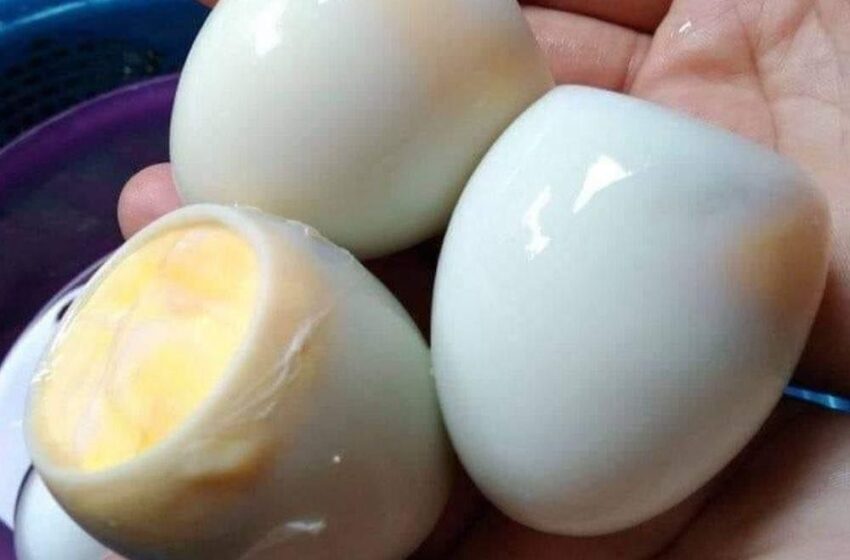
A single bad egg rarely causes serious harm in healthy adults — but the risks are real, and some people face significantly higher danger. Here’s everything you need to know, from first bite to full recovery.
6–48hSymptom onset
2–3 daysTypical recovery
8 minRead time
Health & Food Safety Guide · March 20, 2026
It happens to the most careful cooks. You crack open an egg, take a bite of your scrambled eggs or that deviled egg at the party — and then it hits you. That sulfuric smell. The slightly off texture. The sinking feeling of did I just eat that?
Eggs are one of the world’s most consumed foods for good reason — they’re affordable, protein-rich, and remarkably versatile. But even with proper storage habits, spoiled eggs happen. Maybe the carton was misdated. Maybe one egg sat in a warm spot too long. Maybe the off smell was subtle and you didn’t catch it until after the first bite.
If this has happened to you, take a breath. For most healthy adults, accidentally eating a spoiled egg does not lead to serious illness. But there’s a meaningful difference between “unlikely to be serious” and “nothing to monitor” — especially depending on how much you ate, whether it was cooked, and who you are. This guide walks through exactly what’s happening in your body, what symptoms to watch for, when to call a doctor, and how to prevent it from happening again.
Quick reassurance: A single small bite of a mildly spoiled egg may cause no symptoms at all — particularly if bacterial load was low or the egg was cooked. Monitor yourself for 48 hours, but don’t panic. Your body is well-equipped to handle minor foodborne challenges when supported with rest and hydration.
The Primary Concern: Bacterial Contamination
Here’s an important distinction that most people don’t know: the rotten smell itself isn’t what makes spoiled eggs dangerous. That unmistakable sulfuric odor comes from hydrogen sulfide and other sulfur compounds produced as proteins in the egg decompose. While deeply unpleasant, these compounds aren’t inherently toxic in small amounts.
The real risk is what may have also taken hold alongside the spoilage: pathogenic bacteria — most notably Salmonella enteritidis, which can contaminate eggs both inside the shell (from infected hens) and on the surface. Spoilage creates environmental conditions — warmth, moisture, protein breakdown — that allow bacteria to multiply rapidly. Not every spoiled egg contains dangerous bacteria, but the risk is real enough to take seriously.
“The critical distinction is between spoilage and contamination. An egg can look and smell fine yet still carry Salmonella — and conversely, a foul-smelling egg isn’t automatically loaded with pathogens. This is why proper cooking remains the single most reliable protection.”
🤢 Symptoms of Foodborne Illness from a Spoiled Egg
If the egg was contaminated, symptoms typically appear within the following window:
Onset: 6–48 hours after consumption
Nausea or stomach cramps — often the first sign something is wrong
Diarrhea — ranging from mild to severe depending on bacterial load
Vomiting — your body’s fastest defense mechanism against ingested threats
Low-grade fever (usually below 101°F in mild cases)
Headache and general fatigue
Abdominal pain or bloating
For most healthy adults: These symptoms are uncomfortable but typically resolve on their own within 2–3 days as the body eliminates the bacteria naturally through vomiting and diarrhea.
What’s Actually Happening Inside Your Body
🔬 The Body’s Defense System in Action
When harmful bacteria enter your digestive tract, they begin releasing toxins that directly irritate the lining of your stomach and small intestine. The intestinal lining — one of the body’s most sensitive and reactive tissues — responds by triggering inflammation and activating the enteric nervous system (the “second brain” in your gut).
This triggers two of your body’s most powerful and rapid defense mechanisms: vomiting (to expel the threat from the stomach before it can be fully absorbed) and diarrhea (to flush bacteria and toxins from the intestines as quickly as possible). These responses are uncomfortable, but they are precisely what they’re supposed to be — the body doing its job effectively.
The sulfuric smell that signals spoilage comes from hydrogen sulfide, dimethyl sulfide, and other volatile sulfur compounds produced during protein decomposition. These compounds are the reason spoiled eggs smell the way they do — they are biological warning signals, and your nose is surprisingly good at detecting them even at very low concentrations.
The fever response, when it occurs, is driven by the immune system releasing pyrogens — molecules that raise body temperature to create an environment less hospitable to bacterial replication. A mild fever is a sign that the immune system is working correctly, not a sign that things are going wrong.
Who Should Take Extra Care
While most healthy adults recover from foodborne illness without complications, certain groups face meaningfully higher risks — both of more severe symptoms and of dangerous dehydration developing rapidly.
👶
Young Children (Under 5)
Smaller body mass means dehydration develops faster. Immune systems are still developing.
👴
Adults Over 65
Immune response is often slower. Dehydration risk is elevated and can cascade quickly.
🤰
Pregnant Individuals
Foodborne illness poses risks to both mother and developing baby. Seek medical advice promptly.
💊
Immunocompromised
Those on immunosuppressants, chemotherapy, or living with HIV/AIDS face higher complication risk.
If you belong to any of these groups and have consumed a spoiled egg, contact a healthcare provider at the first sign of persistent symptoms rather than waiting to see how things develop. Early intervention prevents the most serious complications.
🚨 When to Call a Doctor — Don’t Wait on These Signs
Fever above 101.3°F (38.5°C) — this level of fever suggests a more significant infection
Vomiting that prevents keeping any fluids down for 12 or more hours
Bloody stool — this can indicate bacterial invasion of the intestinal wall
Signs of dehydration: dizziness when standing, dry mouth, dark urine, very reduced urination
Symptoms lasting longer than 3 days without improvement
Severe abdominal cramping that worsens rather than coming in waves
If You’ve Eaten a Spoiled Egg: Gentle Next Steps
If symptoms are mild or you’re monitoring after a small exposure, these evidence-based steps give your body the best chance to recover quickly:
💧
Hydrate steadily and consistently. This is the single most important thing you can do. Sip water, oral rehydration solutions (like Pedialyte), or clear broth. Small, frequent sips work better than large gulps — the stomach tolerates them better when irritated. Aim to replace fluids actively, not just when thirsty.
🛌
Rest genuinely. When your immune system is fighting a bacterial threat, it diverts significant energy away from everything else. Rest isn’t optional — it’s active healing. Allow your body to focus its resources where they’re needed most.
🍌
Eat bland foods once nausea subsides. The BRAT diet — bananas, rice, applesauce, and toast — is the classic recommendation for a reason. These foods are easy on an irritated digestive system and help firm up loose stool without stressing the gut further.
🚫
Avoid irritants until fully recovered. Dairy, caffeine, alcohol, spicy foods, and high-fat foods all stress the digestive system and can prolong recovery. Give your gut a break until symptoms have fully resolved for at least 24 hours.
💊
Skip anti-diarrheal medications initially. Counter-intuitive as it feels, medications that stop diarrhea (like loperamide) can actually slow the body’s ability to eliminate bacteria. Unless specifically advised by a doctor, allow your body to flush the threat naturally for the first 24 hours.
👀
Monitor yourself for 48 hours. Even if you feel fine immediately after, Salmonella symptoms can take up to 48 hours to appear. Keep track of how you feel and be ready to escalate to medical care if the warning signs above appear.
How to Tell If an Egg Has Gone Bad
Prevention is always better than recovery. These are the most reliable methods for detecting a spoiled egg before it reaches your plate:
👃
The Sniff Test
✓ Good: Little to no odor
✗ Bad: Sulfuric or “rotten” smell
Your nose is remarkably sensitive to hydrogen sulfide — even a faint sulfuric smell is a reliable signal. Trust it and discard immediately.
💧
The Float Test
✓ Good: Sinks and lies flat
✗ Bad: Floats or stands upright
As eggs age, the air cell inside grows larger. An egg that floats has too much air — it’s old. It may not be dangerous yet, but it should be used immediately or discarded.
🔦
The Visual Check
✓ Good: Clean, uncracked shell
✗ Bad: Cracks, sliminess, discoloration
Cracked shells allow bacteria to enter. Slimy shells suggest bacterial growth has begun on the surface. Discard without opening.
🍳
After Cracking
✓ Good: Clear whites, intact yolk
✗ Bad: Discolored, watery, or off-smell
Pink or iridescent egg whites signal bacterial contamination. Green or black discoloration indicates significant spoilage. Discard the whole batch from that carton.
⚠️
Critical limitation: You cannot detect Salmonella by sight, smell, or taste. A fresh-looking, fresh-smelling egg can still carry Salmonella if it came from an infected hen. This is why proper cooking (to 160°F / 71°C internal temperature) and proper refrigeration (below 40°F / 4°C) are your most reliable protections — more reliable than any sensory test.
Prevention: Simple Habits That Protect You Every Time
Habit Why It Matters
🧊 Refrigerate properly Store eggs at or below 40°F (4°C) in their original carton — not in the door, where temperature fluctuates with every opening.
👁️ Check before cracking Discard any egg with cracks, leaks, or a slimy shell. Cracks allow bacteria to bypass the shell’s natural barrier.
👃 Use the sniff test Fresh eggs have almost no odor. Any sulfuric or “off” smell after cracking means the egg should be discarded without tasting.
💧 Use the float test Place the egg in a glass of water. Fresh eggs sink and lie flat. Old eggs stand upright or float — the larger the air cell, the older the egg.
📅 Respect use-by dates Use eggs within 3–5 weeks of the pack date (not just the sell-by date). The sell-by date is for retailers, not consumers.
🌡️ Cook thoroughly Heat eggs to an internal temperature of 160°F (71°C). This kills Salmonella and most other foodborne pathogens reliably.
🖐️ Wash hands Wash hands thoroughly after handling raw eggs, including the shell — Salmonella can transfer from shell to hand to food surface.
Frequently Asked Questions
I ate a spoiled egg but feel fine — do I still need to worry?
Feeling fine immediately after is actually common, because foodborne illness symptoms don’t always appear right away. Salmonella, for example, has an incubation period of 6 to 48 hours — meaning you might feel completely normal for up to two days before symptoms develop. The safest approach is to monitor yourself for a full 48 hours. Stay hydrated, avoid alcohol, and be alert to early symptoms like nausea, cramps, or loose stool. If you consumed only a very small amount, or if the egg was thoroughly cooked (which significantly reduces bacterial survival), your risk is meaningfully lower — but monitoring is still wise.
Does cooking a spoiled egg make it safe to eat?
Cooking destroys live bacteria — including Salmonella — when the egg reaches an internal temperature of 160°F (71°C). So thorough cooking does meaningfully reduce the risk of bacterial food poisoning. However, it does not neutralize all the risks associated with a significantly spoiled egg. Some bacteria produce heat-stable toxins during spoilage that survive cooking even after the bacteria themselves are killed. If an egg smells strongly sulfuric or shows clear signs of spoilage, the safest answer is always to discard it — the cooking question applies more to eggs that might be old rather than ones that are clearly rotten.
What is the difference between a spoiled egg and a Salmonella egg?
This is one of the most important food safety distinctions to understand. Spoilage and Salmonella contamination are separate phenomena. Spoilage is caused by bacteria and enzymes that break down the egg’s proteins and fats over time — it produces the characteristic bad smell and visible changes. Salmonella contamination can exist in an egg that looks, smells, and tastes completely normal — it enters eggs through infected hens before the shell forms, which is why it’s undetectable by any sensory method. This is why you cannot rely on freshness or smell alone to guarantee an egg is safe; thorough cooking is the only reliable protection against Salmonella.
How accurate is the egg float test?
The float test is a reliable indicator of egg age, but not of safety. It works because eggshells are porous — over time, moisture evaporates out of the egg and air comes in, growing the air cell inside. An egg that floats has a large air cell, indicating it is old. However, “old” doesn’t automatically mean “dangerous.” An egg that floats might be 4–5 weeks old but still free of harmful bacteria — or it might have spoiled more quickly due to temperature fluctuations. The float test is most useful as a supplement to other checks (sniff test, visual inspection) rather than a standalone guarantee of either safety or spoilage.
How long should I monitor myself after eating a questionable egg?
The standard monitoring window for Salmonella and most common egg-related foodborne illnesses is 48 hours, since that covers the full incubation range for the most likely pathogens. For most people, if you’re going to develop symptoms, they’ll appear within that window. However, some less common foodborne bacteria have longer incubation periods of up to 72 hours. If you feel well after 72 hours, you’re very likely in the clear. During the monitoring period, stay well-hydrated, avoid alcohol and heavy meals, and be ready to seek medical care if any of the warning signs described above appear.
You May Also Like
🥚
7 Proven Health Benefits of Eating Boiled Eggs Every Day — Nutritionists Explain
Egg Nutrition & Health
🦠
Food Poisoning vs Stomach Bug: How to Tell the Difference Fast
Food Safety & Health
🧊
How Long Does Food Really Last in the Fridge? The Complete Safety Guide
Kitchen Food Safety
💧
Signs of Dehydration You’re Probably Ignoring — And How to Rehydrate Fast
Hydration & Health
🌡️
When to Go to the ER for Food Poisoning — Emergency Doctors Explain
Food Safety Emergency
🧄
The 8 Foods Most Commonly Linked to Food Poisoning (And How to Handle Them Safely)
Food Safety Guide
Your Kitchen Wisdom Isn’t About Perfection
It’s about gentle awareness. Noticing the off smell. Pausing before the first bite. Choosing safety without shame — and knowing exactly what to do when something slips through.
Accidentally eating a spoiled egg is unpleasant, but rarely dangerous for healthy adults. Your body is well-equipped to handle minor foodborne challenges when supported with rest and hydration.
Trust your senses. Cook eggs thoroughly. And remember: the most nourishing ingredient in any meal is peace of mind. Share this guide with someone who could use it — most households need this information at some point.