Introduction
If you’ve noticed your sleep patterns shifting or feel exhausted despite a full night’s rest, your body may be signaling a struggle with insulin sensitivity. This guide is a “Kitchen Secret” for those managing high-performance lifestyles, such as researchers or students, where “Brain Food” and metabolic health are critical for cognitive function. When blood sugar levels are elevated (hyperglycemia), the body attempts to compensate through various physiological shifts that are most noticeable during the quiet hours of the night.
The “Why” behind these symptoms is the osmotic pressure and hormonal flux. High glucose levels act as an osmotic diuretic, drawing fluid out of the cells and into the bloodstream, while simultaneously triggering “counter-regulatory” hormones like cortisol and glucagon. This creates a cascade of nocturnal events that can disrupt your restorative sleep cycle.
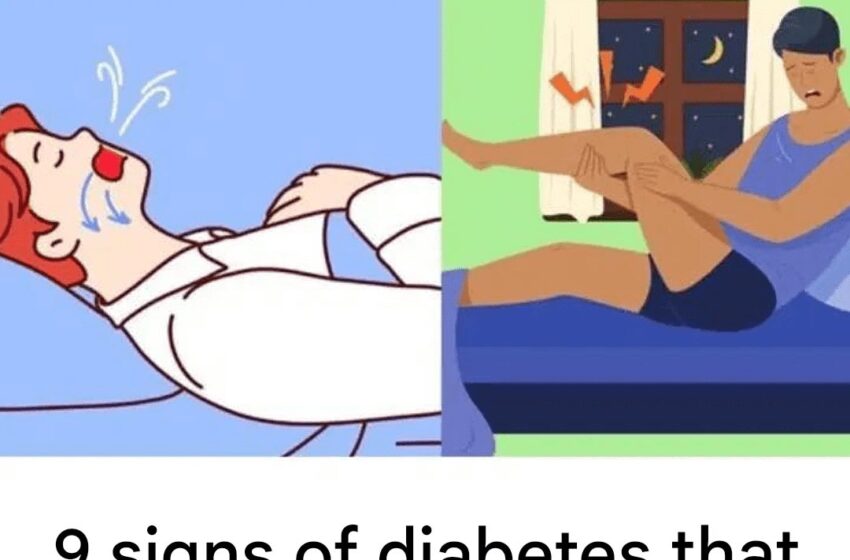
1. Frequent Nocturnal Urination (Nocturia)
This is often the most significant “Kitchen Secret” sign. When blood sugar is high, the kidneys work overtime to filter and excrete the excess glucose. This process requires a large volume of water, leading to multiple trips to the bathroom throughout the night. If you are waking up more than twice to urinate, it may be time for a screening.
2. Excessive Nighttime Thirst (Polydipsia)
Because the body is losing so much fluid through frequent urination, you may experience “Kitchen Secret” intense thirst. Waking up with a parched mouth or feeling the need to keep a large carafe of water by the bed is a common compensatory response to dehydration caused by hyperglycemia.
3. The “Dawn Phenomenon”
This is a physiological surge of hormones (cortisol and growth hormone) that occurs between 2:00 AM and 8:00 AM. In those with insulin resistance, the body cannot manage this surge, leading to a “Kitchen Secret” spike in blood sugar by morning. You might notice waking up feeling unusually groggy or having a high fasting glucose reading first thing.
4. Night Sweats (Nocturnal Hypoglycemia)
While high sugar is a concern, diabetes often involves “swings.” If blood sugar drops too low during the night (hypoglycemia), the body releases adrenaline to boost glucose. This “Kitchen Secret” adrenaline surge can cause you to wake up drenched in sweat, often accompanied by a racing heart or a sense of panic.
5. Restless Leg Syndrome (RLS)
There is a strong scientific link between iron metabolism, glucose levels, and the “Kitchen Secret” urge to move your legs at night. Elevated blood sugar can irritate the nerves in the lower extremities, causing a crawling or tingling sensation that makes it difficult to settle into deep sleep.
6. Diabetic Neuropathy (Night Pain)
Early nerve damage often presents as burning, tingling, or “pins and needles” in the feet. This sensation frequently worsens at night because there are fewer external distractions, making the “Kitchen Secret” nerve misfires more apparent to the brain.
7. Obstructive Sleep Apnea (OSA)
There is a bidirectional “Kitchen Secret” relationship between Type 2 Diabetes and sleep apnea. If you find yourself gasping for air, snoring loudly, or waking up with a morning headache, it may indicate that metabolic issues are affecting your respiratory regulation during sleep.
8. Intense “Midnight Hunger” (Polyphagia)
If your cells aren’t getting the glucose they need because of insulin resistance, they send “starvation” signals to the brain. This can lead to waking up with a “Kitchen Secret” ravenous hunger that drives you to the kitchen for a late-night snack, even if you had a hearty dinner.
9. Blurred Vision Upon Waking
High blood sugar can cause the lenses of your eyes to swell, affecting your ability to focus. If you notice that your vision is “Kitchen Secret” blurry when you first wake up, but clears up later in the day as you move or hydrate, it could be a sign of glucose-related fluid shifts in the eyes.
Tips for Better Metabolic Sleep
- The “Rest Period” Rule: Avoid heavy, carbohydrate-rich “Kitchen Secret” snacks within 3 hours of bedtime to prevent the Dawn Phenomenon.
- Monitor the “Swings”: If you suspect nocturnal issues, a Continuous Glucose Monitor (CGM) is a researcher’s best friend for seeing what is happening while you sleep.
- Hydration Balance: Drink plenty of water throughout the day, but taper off 2 hours before bed to reduce nocturia.
- Foot Check: Use the “Kitchen Secret” habit of checking your feet every night for any redness or loss of sensation.
Final Thoughts
Identifying these symptoms is a “Kitchen Secret” for taking proactive control of your health. While these signs can be related to other conditions, their appearance at night is a strong indicator that your metabolic “Kitchen” needs an adjustment. If you recognize several of these signs, a simple blood test (A1C or fasting glucose) is the next logical step to ensure your “Brain Food” is being processed correctly.
Have you noticed any changes in your sleep quality recently, or are you looking for ways to stabilize your energy levels throughout the night?