Introduction
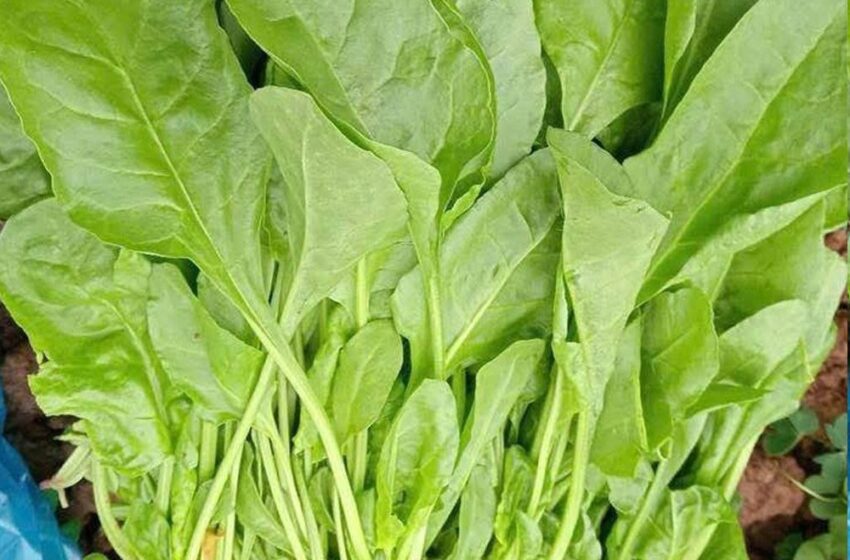
If you are looking for a way to naturally boost your energy and protect your vision, doctors reveal that eating spinach causes a cascade of positive cellular reactions. Unlike basic lettuce, spinach is a bio-active matrix of fat-soluble vitamins and antioxidants that directly influence blood vessel flexibility and brain aging. This isn’t just a “Kitchen Secret” for a better smoothie; it’s a medically-backed “Superfood” that can literally help keep your brain “younger” by supporting the integrity of your neural pathways.
The “Why” behind the power of spinach lies in its Lutein and Vitamin K1 content. Lutein is a powerful carotenoid that the human brain selectively accumulates to protect against cognitive decline, while Vitamin K1 is essential for the synthesis of sphingolipids, a class of fats that are vital for the structural integrity of brain cell membranes. When consumed regularly, these nutrients act as a “shield” for your nervous system.
5 Things That Happen to Your Body
- 🧠 Slower Cognitive Decline: Large-scale studies show that people who eat at least one serving of leafy greens like spinach daily have the cognitive skills of someone 11 years younger.
- 📈 Nitrate-Induced Vasodilation: Much like beets, spinach is high in natural nitrates that relax blood vessels, helping to lower blood pressure and improve oxygen delivery.
- 👁️ Macular Protection: The high concentration of lutein and zeaxanthin acts as “internal sunglasses,” protecting your retinas from high-energy blue light damage.
- 💪 Improved Muscle Efficiency: Research suggests that the nitrates in spinach help mitochondria (the cell’s power plants) work more efficiently, providing more “output” for the same amount of oxygen.
- 🛡️ Oxidative Stress Reduction: Spinach is loaded with antioxidants like kaempferol, which have been shown to reduce the risk of chronic disease by neutralizing free radicals.
Instructions / Method: How to Maximize Benefits
- The “Lightly Cooked” Secret: While many eat it raw, doctors suggest that lightly steaming or sautéing spinach significantly increases the bioavailability of its beta-carotene and lutein.
- The “Smoothie” Hack: If you prefer it raw, blending spinach in a smoothie is the “Kitchen Secret” to breaking down the tough plant cell walls, releasing more nutrients than chewing alone.
- The Fat-Pairing Rule: Because Vitamin K, A, and Lutein are fat-soluble, you must eat spinach with a healthy fat (like olive oil, avocado, or nuts) to absorb them.
- The “Lemon” Squeeze: Spinach is high in iron, but it’s “non-heme” iron. Adding Vitamin C (lemon juice) is the “Kitchen Secret” that “unlocks” that iron for your body to use.
Is Spinach Safe for Everyone?
While a nutritional titan, doctors offer two “Kitchen Secret” considerations:
- Oxalate Awareness: Spinach is one of the highest sources of oxalates. If you have a history of calcium-oxalate kidney stones, doctors recommend boiling it briefly and discarding the water to reduce the oxalate load.
- Blood Thinners: Because of its high Vitamin K content (which helps blood clot), individuals on medications like Warfarin should maintain a consistent intake of spinach rather than making sudden, drastic changes.
Nutritional Snapshot
Estimated per 1 cup (30g) raw spinach:
- Vitamin K: 121% of the DV (Essential for bone and brain health)
- Vitamin A: 16% of the DV (Supports immune function)
- Folate: 15% of the DV (Critical for DNA synthesis and repair)
- Iron: Supports oxygen transport in the blood.
Tips for Best Results
- The “Freshness” Secret: Spinach loses its folate and carotenoids quickly after being harvested. Buy it as fresh as possible and eat it within a few days.
- Storage Hack: Keep a paper towel in your container of spinach to absorb moisture. This prevents “slime” and keeps the leaves crisp and nutrient-dense for longer.
- The Frozen Win: Don’t fear the freezer! Frozen spinach is often processed at peak ripeness, making it a “Kitchen Secret” powerhouse for soups and stews.
FAQ (Frequently Asked Questions)
Is raw spinach better than cooked? Raw is higher in Vitamin C, but cooked is better for absorbing Vitamin A, E, and minerals. A mix of both is the ideal “Kitchen Secret” strategy!
Can you eat too much spinach? For most, a cup or two a day is perfect. Only those with specific kidney stone risks need to be cautious about excessive daily amounts.
Does it really make you stronger like Popeye? While the iron content was slightly exaggerated in old cartoons, the nitrates really do improve muscle mitochondrial efficiency!
Final Thoughts
The Spinach Upgrade is a “Kitchen Secret” that proves consistent, small additions to your diet can have profound neurological and vascular rewards. By understanding the synergy of Vitamin K and healthy fats, you can turn a simple leaf into a powerful tool for long-term health. Whether you’re fueling for a day in the research lab or a session at the gym, let the green power of spinach be your secret weapon! 🥬🧠💪✨
Do you prefer your spinach tossed fresh in a salad or sautéed with a little garlic and lemon?