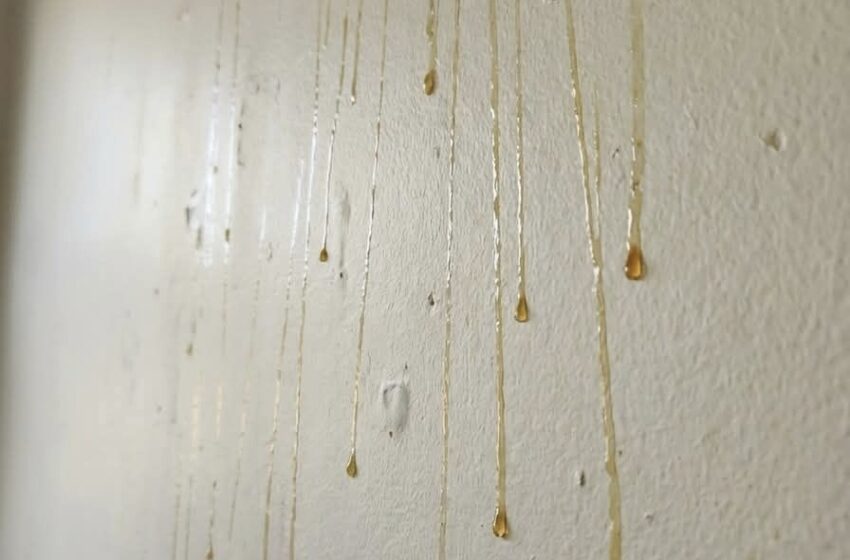
Have you ever walked into your bathroom and noticed yellow or brownish streaks slowly dripping down the walls? At first glance, it can look alarming—especially if you’re worried about mold or bacteria growing in your home.
Bathrooms naturally create the perfect environment for moisture buildup. Steam from hot showers, humidity in the air, and condensation on walls can cause strange stains or drips to appear over time. The good news is that yellow streaks on bathroom walls are usually harmless, but they can signal issues like poor ventilation, residue buildup, or aging paint.
Let’s identify what those yellow drips might be—and how to fix them.
The Most Common Culprits
- Surfactant Leaching (The #1 Cause)
What it is: Surfactants are wetting agents found in latex and acrylic paints. They help the paint spread evenly during application. Over time, especially in humid environments like bathrooms, these surfactants can migrate to the surface of the paint, creating yellow or brownish drips that look like sticky residue.
What it looks like: Yellow, amber, or brownish streaks that feel slightly tacky or sticky. Often appears near the ceiling, corners, or above the shower.
Is it harmful? No. It’s purely cosmetic and doesn’t indicate mold or structural damage.
How to fix it: Wipe the drips with a damp cloth and mild soap. In most cases, the residue wipes off easily. Improve ventilation to prevent recurrence.
- Nicotine and Tar Residue
What it is: If anyone smokes in the bathroom (or anywhere in the home), tobacco smoke leaves behind invisible residue that builds up on walls over time. When humidity rises, the residue becomes visible as yellowish-brown drips.
What it looks like: Yellow to brown streaks that may have a slightly sticky or tacky feel.
Is it harmful? Thirdhand smoke residue can be harmful, especially to children and pets. It’s best to clean it thoroughly and avoid smoking indoors.
How to fix it: Clean walls with a solution of vinegar and water or a mild degreaser. Consider repainting with a high-quality primer if the staining persists.
- Hard Water Residue
What it is: If your bathroom has poor ventilation, condensation can form on walls. When that condensation evaporates, it leaves behind minerals from the water—especially if you have hard water.
What it looks like: Yellowish or white crusty residue, often near the shower or sink.
Is it harmful? No. It’s just mineral deposits.
How to fix it: Wipe with a vinegar-water solution (1 part vinegar to 1 part water). Improve ventilation to reduce condensation.
- Body Oil and Soap Scum
What it is: Steam carries microscopic particles of body oils, soaps, shampoos, and skin cells into the air. These particles settle on walls and condense, creating yellowish, greasy drips.
What it looks like: Yellowish, greasy streaks that feel slick to the touch.
Is it harmful? No, but it can attract dust and dirt over time.
How to fix it: Clean with a degreasing cleaner or a mixture of dish soap and warm water. Regular bathroom cleaning prevents buildup.
- Old or Low-Quality Paint
What it is: Some paints, especially older or cheaper formulas, can yellow over time—especially in humid, low-light bathrooms. This yellowing can appear patchy or streaky.
What it looks like: Yellow discoloration rather than distinct drips. May be more noticeable on white or light-colored walls.
Is it harmful? No. It’s just paint aging.
How to fix it: Repaint with a high-quality bathroom-specific paint that resists moisture and yellowing.
- Mold or Mildew (The Less Common Cause)
What it is: While yellow drips are rarely mold, early mold growth can sometimes appear yellowish before turning black or green.
What it looks like: Fuzzy or powdery spots, often in corners or near the ceiling. Unlike surfactant leaching, mold is textured, not just a stain.
Is it harmful? Yes. Mold can trigger allergies and respiratory issues.
How to fix it: Clean with a bleach-water solution (1 part bleach to 3 parts water) or a commercial mold remover. Fix the underlying moisture problem.
How to Tell the Difference
Cause Appearance Texture Location
Surfactant leaching Yellow/amber streaks Sticky, tacky Near ceiling, corners
Nicotine residue Yellow-brown streaks Sticky Anywhere, worse near smoking areas
Hard water Yellowish-white crust Crusty Near shower, sink
Body oil/soap scum Yellowish, greasy Slick, oily Anywhere, worse near shower
Aging paint Yellow patches Smooth Entire wall
Mold Yellow-green to black Fuzzy, powdery Corners, ceiling
How to Prevent Yellow Drips
Improve ventilation – Install and use an exhaust fan during and after showers. Leave the door open after bathing.
Wipe down walls – After showering, quickly wipe wet walls with a towel or squeegee.
Use bathroom-specific paint – High-quality bathroom paint resists moisture, mildew, and yellowing.
Clean regularly – Weekly cleaning prevents buildup of oils, soaps, and minerals.
Reduce indoor smoking – Better yet, smoke outside.
Monitor humidity – Keep bathroom humidity below 50% using a dehumidifier if needed.
How to Clean Yellow Drips
For Surfactant Leaching:
Wipe with a damp cloth and mild dish soap
Rinse with clean water
Dry thoroughly
For Nicotine or Grease:
Mix 1 part white vinegar with 1 part water
Add a drop of dish soap
Wipe, rinse, and dry
For Hard Water:
Spray with vinegar-water solution
Let sit for 5 minutes
Wipe clean
For Mold:
Mix 1 part bleach with 3 parts water
Apply, let sit 10 minutes
Rinse and dry
Wear gloves and a mask
When to Call a Professional
Consider professional help if:
Cleaning doesn’t remove the stains
The yellowing returns quickly after cleaning
You suspect widespread mold
You have respiratory symptoms that improve when you leave the bathroom
The Bottom Line
Those yellow drips on your bathroom walls are almost always harmless—usually surfactant leaching from paint, body oil residue, or hard water minerals. They’re not a sign of a serious problem, but they are a sign that your bathroom needs better ventilation or a good cleaning.
The fix is simple: Wipe them down, improve airflow, and consider repainting with moisture-resistant paint.
Your bathroom walls should be clean, not mysterious.