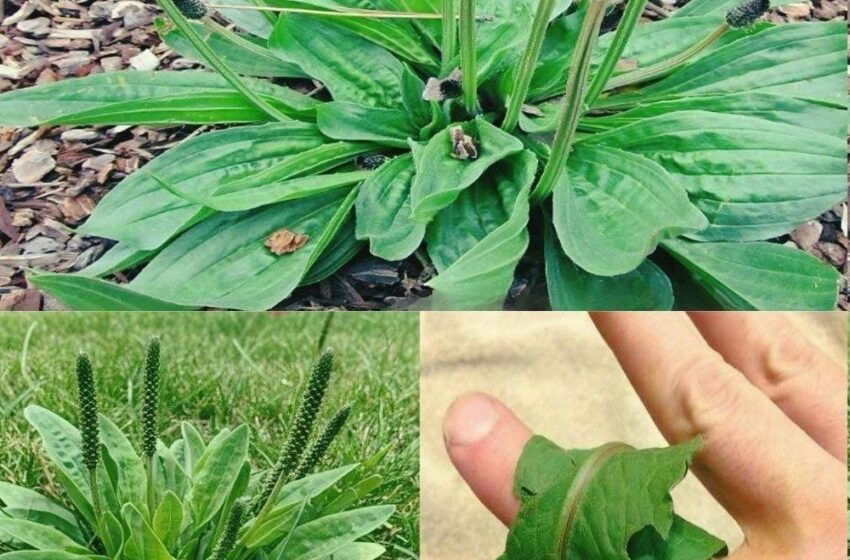
The Ultimate Guide to Plantain: Nature’s Hidden Secret for Holistic Health Treatments
You have probably walked past it a hundred times in your own backyard, completely unaware of the powerhouse hiding right under your feet. Plantain (Plantago major) is often dismissed as just another common weed, but it is actually one of nature’s most adaptable medicinal plants. In the growing world of alternative medicine and natural wellness remedies, this unassuming herb is an absolute game-changer.
Packed with anti-inflammatory, antimicrobial, and cleansing properties, plantain has been utilized for centuries in traditional healing. Whether you are looking for natural pain management for a sunburn or trying to soothe a stubborn cold, this backyard staple can quickly become your best ally. Below, we are breaking down its most effective uses, sharing practical DIY recipes, and grounding everything in smart medical recommendations. Let’s dive into the amazing benefits of this wild herb!
Main Benefits & Natural Wellness Remedies
1. Cough and Cold Relief (Soothing Infusion)
When seasonal weather shifts leave you battling a rough throat, a simple plantain tea can offer incredible, natural relief. It eases inflammation in the airways and alleviates annoying nasal congestion and throat irritation.
- Ingredients: 1 tablespoon dried plantain leaves, 1 cup hot water.
- Preparation: Boil the water, add the dried leaves, and let it steep for exactly 10 minutes. Strain the liquid and drink twice a day.
2. Wound Healing (Fresh Poultice)
If you get a minor scrape while working in the garden, herbal medicine has a quick fix right at your fingertips. Plantain contains tannins that actively push cell regeneration and antibacterial compounds that help prevent infections on minor cuts.
- Preparation: Thoroughly wash fresh plantain leaves. Squash or crush them into a thick paste and apply it directly to the clean wound. Cover loosely with a bandage if needed.
3. Sunburn Relief (Cold Compress)
Forget the sticky aloe gels from the pharmacy; plantain is an incredible tool for natural pain management when you have spent too much time in the sun. It rapidly eases redness and soothes the burning sensation of damaged skin.
- Preparation: Boil 2 tablespoons of fresh or dried leaves in 1 cup of water. Let the mixture cool completely (store it in the fridge for an extra cooling effect), soak a clean cloth in the liquid, and apply the cold compress directly to the affected area.
Other Prominent Herbal Medicine Uses
Beyond basic first aid, plantain has a rich history in holistic health treatments. While you should always consult a doctor for chronic issues, these traditional uses showcase the herb’s incredible versatility:
- Urinary Tract Health: Sipping a plantain infusion sweetened with a little raw honey (3 times a day) is traditionally used to support urinary health.
- Gastric Ulcers: In some herbal practices, drinking the juice of fresh leaves on an empty stomach for 15 days is used to soothe digestive linings. (Note: Always discuss ulcer treatments with a gastroenterologist!)
- Hemorrhoids: Sitz baths prepared with a strong plantain decoction can help reduce swelling and discomfort.
- Glucose Regulation: Daily leaf decoctions (up to 1 liter a day) are sometimes used to aid in glucose regulation.
- Oral Health: Swishing and soaking your mouth with a cooled plantain infusion acts as a fantastic natural mouthwash for canker sores and mild gingivitis.
Medical Indications & Preventative Care
As with any form of preventative care or herbal supplementation, it is crucial to use plantain safely and responsibly. “Natural” does not mean “without rules”!
- Recommended Doses: If drinking as an infusion, stick to 2–3 cups daily, and do not use it continuously for more than 4 continuous weeks to give your body a break. For topical use, apply 2–3 times daily to clean skin.
- Precautions & Side Effects: Do not drink plantain tea in heavy excess, as it may have a laxative effect and cause diarrhea.
- Who Should Avoid It: Due to a lack of conclusive clinical studies, it is best to avoid consuming plantain if you are pregnant or breastfeeding.
- Medical Interactions: If you are currently taking prescription medication for blood pressure or diabetes, you must visit a doctor before adding plantain to your routine, as it can actively interact with your glucose levels and blood pressure.
Final Thoughts
Plantain is quite literally a natural pharmacy growing right in your garden. From soothing a nagging winter cough to treating minor wounds and supporting your overall well-being, its uses are as varied as they are effective.
However, let’s be perfectly candid: while it is incredibly safe and beneficial in most everyday cases, herbal medicine is a complement to—not a replacement for—professional medical treatment in serious or chronic conditions.
Extra Foraging Tip: If you are gathering your own plantain, ensure you only harvest leaves from pristine, pesticide-free areas (avoid roadsides and chemically treated lawns), and always wash them thoroughly before use!