Introduction
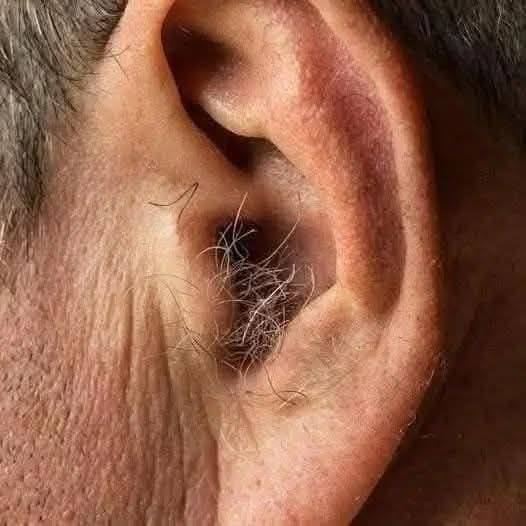
For most, ear hair is simply something to be trimmed away during a haircut. But doctors and researchers have long studied the correlation between ear characteristics and systemic health. While growing hair in and on the ears is a natural part of aging—driven by the hair follicles’ increased sensitivity to dihydrotestosterone (DHT)—the way it grows can sometimes signal more than just a need for a trimmer.
From hormonal shifts to potential indicators of cardiovascular health, your ears might be whispering secrets about your heart and metabolism.
1. The Testosterone Factor
As men age, the hair on the head often thins while hair in the “wrong” places (like the ears and nose) begins to sprout. This is primarily due to:
- Hormonal Sensitivity: Follicles in the ear canal become more sensitive to testosterone over time.
- The DHT Link: Higher levels of DHT can lead to more robust ear hair growth, which is also the same hormone linked to male pattern baldness.
2. The Cardiovascular Theory (Frank’s Sign)
In the 1970s and 80s, several studies suggested a link between ear hair and coronary artery disease.
- The Observation: Researchers noted that many patients with heart disease also had significant hair growth in the ear canal.
- Frank’s Sign: This is often discussed alongside a diagonal “earlobe crease.” While ear hair alone isn’t a diagnosis, doctors sometimes view the combination of excessive ear hair and a creased lobe as a prompt to check a patient’s cholesterol and blood pressure.
3. Metabolic Syndrome
Excessive hair growth in the ears has been associated in some clinical observations with Metabolic Syndrome, which includes:
- Insulin resistance.
- High blood pressure.
- Abnormal cholesterol levels.
- Why? Some scientists believe the same androgenic (hormonal) pathways that cause ear hair growth may also influence how the body handles fat and sugar.
Tips for Healthy Ear Care
If you’ve noticed a sudden increase in ear hair, here is how to handle it safely while keeping an eye on your health:
- Groom Safely: Never use tweezers to pull hair from deep inside the ear canal, as this can cause infections. Use a specialized electric trimmer.
- Monitor Your Heart: If you have excessive ear hair and a diagonal crease in your earlobe, it’s a great “Kitchen Secret” reminder to stay up to date with your annual physical.
- Cleanliness Matters: Thick ear hair can trap cerumen (earwax), leading to blockages or temporary hearing loss. Regular cleaning (with drops, not Q-tips!) is essential.
FAQ (Frequently Asked Questions)
Is ear hair growth permanent? Yes, once the follicles transition to growing terminal (thick) hair due to hormonal changes, it usually continues for life.
Do women get ear hair? Generally, no. Women have much lower levels of testosterone and DHT, though some fine “peach fuzz” (vellus hair) is normal for everyone.
Should I be worried if I have ear hair? Not at all. In the vast majority of cases, it is simply a sign of aging and genetics. However, it serves as a gentle reminder to maintain a heart-healthy lifestyle.
Final Thoughts
Your body has a way of showing its history and its future in the most unexpected places. While ear hair might be an unwanted guest in your grooming routine, it’s a fascinating example of how our hormones and cardiovascular systems are interconnected. Stay groomed, stay heart-healthy, and keep listening to what your body is trying to tell you! 👂📉✨
Have you noticed any other unusual “aging” signs that made you curious about your health?