Introduction
We’ve all heard that White Vinegar is a miracle worker in the laundry room, but have you ever pulled towels out of the dryer only to find them still scratchy or smelling like a pickle? The “Kitchen Secret” isn’t just using vinegar; it’s the timing.
Most people pour vinegar directly into the drum or mix it with their detergent, but chemistry reveals that this is a mistake. Because vinegar is acidic and detergent is basic, they often neutralize each other, leaving you with dingy clothes and wasted product. When used the “Right Way,” vinegar acts as a powerful, natural fabric softener that strips away dulling mineral buildup and soap residue. Here is how to use it for hotel-quality towels and brilliant whites.
Why You’ll Love This Natural Hack
- ☁️ Unbeatable Softness: Breaks down the “crunchy” mineral deposits left by hard water.
- 🦷 Brighter Whites: Naturally dissolves the gray and yellow film that builds up on cotton.
- 👃 Odor Neutralizer: Eliminates mildew smells from towels that sat too long in the wash.
- 🌿 Chemical-Free: A safe, non-toxic alternative to synthetic liquid fabric softeners.
- 💰 Ultra-Cheap: Costs pennies per load compared to expensive laundry additives.
The “Ingredients” for a Perfect Wash
- Distilled White Vinegar: Look for the 5% acidity version found in the pantry.
- Warm or Hot Water: Helps the vinegar penetrate deep into the fibers.
- Baking Soda (Optional): For a “deep-clean” booster on extra-grimy loads.
- Essential Oils (Optional): Lavender or Lemon oils can be added to the vinegar for a fresh scent.
Instructions / Method: The “Right Way” to Use Vinegar
To get the results your grandmother used to brag about, you must follow the Rinse Cycle Rule:
- The Loading: Place your towels or whites in the machine. The Secret: Do not overfill! Vinegar needs space to circulate through the fibers.
- The Detergent Step: Wash your clothes as normal with your favorite detergent. Do not add vinegar yet.
- The Timing: Wait for the Rinse Cycle. If you have an automatic “Fabric Softener” dispenser, pour the vinegar in there. If not, pause the machine when it reaches the rinse stage.
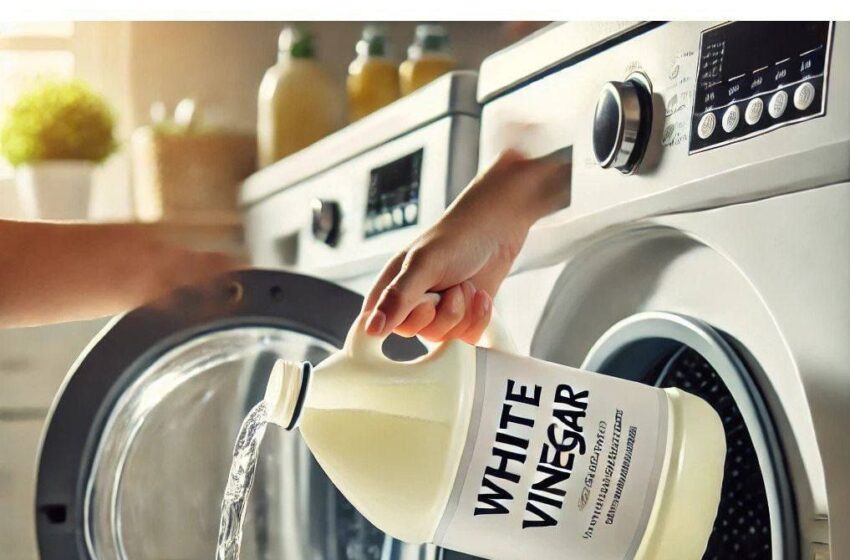
- The Pour: Add 1/2 cup to 1 cup of white vinegar directly to the water during the final rinse.
- The Drying: Dry as usual. Don’t worry: The vinegar scent will completely disappear as the fabric dries, leaving behind only a clean, neutral smell.
Is This Practice “Healthy” for Your Machine?
Yes, but with one “Kitchen Secret” caution: Doctors of appliance repair reveal that while vinegar is great for clothes, the high acidity can eventually wear down rubber seals if used in every single load. To keep your machine healthy, use the vinegar method every 3rd or 4th wash to “reset” your fabrics.
Calories & Nutrition (Efficiency Count)
Estimated “Laundry Value”:
- Chemical Exposure: 0% (Safe for sensitive skin)
- Softness Level: 100% (Hotel-quality fluff)
- Odor Removal: Maximum power
- Stain Lifting: High (Especially for sweat stains)
Tips for Best Results
- The “Stripping” Method: For towels that have lost their absorbency, run a wash with 1 cup of vinegar and NO detergent. Follow it with a second wash using 1/2 cup of baking soda. This “strips” away years of wax buildup from commercial softeners.
- Skip the Fabric Softener: Never use vinegar and commercial fabric softener together. They are “enemies” in the wash and will create a gummy residue.
- Sweat Stains: Spray white vinegar directly onto the armpits of white shirts 10 minutes before washing to dissolve yellowing.
- New Towel Secret: Wash new towels with vinegar before their first use to “set” the color and increase their initial absorbency.
Variations & Common Mistakes
- ❌ The “Mixed” Mistake: Pouring vinegar and detergent in at the same time. They cancel each other out!
- 🍎 Apple Cider Vinegar: Avoid using this for laundry; the dark color and sediment can actually stain your white fabrics.
- 🍋 Citrus Vinegar: Soak lemon peels in white vinegar for two weeks before using in the laundry for a natural, bleach-like brightening effect.
FAQ (Frequently Asked Questions)
Will my clothes smell like vinegar? Not at all. Once the water rinses and the heat of the dryer hits the fabric, the acetic acid evaporates, taking the smell with it.
Can I use it on delicate silks? No. Vinegar is too acidic for delicate animal fibers like silk or wool. Stick to cotton, linens, and synthetic blends.
Does it kill bacteria? It is a mild disinfectant, but for heavy-duty sanitizing (like cloth diapers), it should be used in conjunction with high heat.
You May Also Like
- 5 Important Situations Where You Should Be Cautious with Ginger – What Most People Don’t Know
- The Classic Church Pitch-In Salad (The Fluffy, 5-Ingredient Crowd Favorite)
- Creamy Brazilian Lemonade (The 5-Minute Refreshing Tropical Secret)
- Lemon Chicken Orzo Soup (The “Bright & Cozy” Mediterranean Comfort Bowl)
Final Thoughts
Using vinegar the “Right Way” is a simple, old-school Kitchen Secret that proves we don’t need fancy chemicals for a clean home. By mastering the timing of the rinse cycle, you can restore your dingy towels to their former glory and keep your whites bright for years to come. Give it a try on your next “towel day”—your skin will thank you! ☁️🧺✨