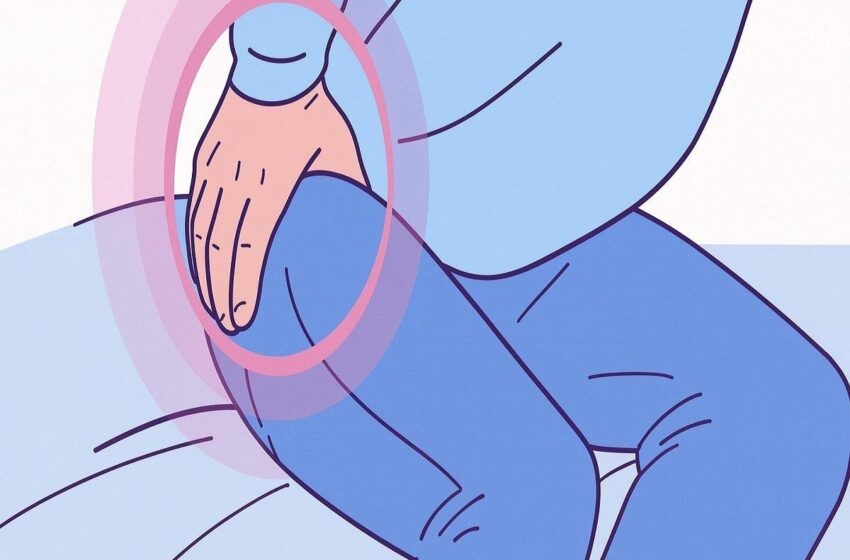
When Your Hip Hurts: Listening to Your Body’s Signal for Care
Hip pain is rarely “just part of aging”—and it shouldn’t be dismissed as simple soreness from a long day. While occasional discomfort may resolve on its own, persistent, sharp, or movement-limiting hip pain often signals an underlying issue that deserves attention. Ignoring it won’t make it vanish; it may only allow the problem to deepen.
Your hip is a marvel of biomechanical engineering—a ball-and-socket joint supported by cartilage, tendons, ligaments, muscles, and nerves. Pain here can originate within the joint itself—or travel from nearby structures like the lower back, pelvis, or knees. Understanding the source matters. Early awareness often means simpler solutions and preserved mobility down the road.
Six Common Sources of Hip Pain
| Condition | What It Feels Like | Why It Happens |
|---|---|---|
| Osteoarthritis | Deep ache in the groin; stiffness upon waking; grinding sensation during movement | Gradual cartilage breakdown leads to bone-on-bone friction |
| Trochanteric Bursitis | Sharp or burning pain on the outer hip; worse when lying on that side or climbing stairs | Inflammation of fluid-filled sacs (bursae) that cushion the hip joint |
| Tendinitis or Strain | Aching or pulling sensation in the front, side, or back of the hip—often after new activity | Overuse or tightness in hip flexors, hamstrings, or glutes |
| Labral Tear | Deep groin pain with clicking, catching, or a sense of instability | Tear in the cartilage ring (labrum) that seals the hip socket—common in athletes or those with hip structural variations |
| Referred Spinal Pain | Dull ache in the buttock or posterior hip; possible tingling down the leg | Nerve compression in the lower back (e.g., sciatica or spinal stenosis) |
| Stress Fracture or Avascular Necrosis | Sudden, severe pain after repetitive impact (fracture) or progressive deep pain (avascular necrosis) | Bone injury from overuse or loss of blood supply to bone tissue—often linked to trauma, steroid use, or certain medical conditions |
When to Seek Prompt Medical Evaluation
Contact a healthcare provider if you experience:
→ Inability to bear weight on the affected leg
→ Severe pain following a fall or injury
→ Visible swelling, warmth, redness, or fever (possible infection)
→ Numbness, tingling, or weakness radiating down the leg
→ Pain that consistently disrupts sleep
→ Symptoms persisting beyond 1–2 weeks without improvement
Note: These signs don’t always indicate emergency—but they warrant professional assessment to rule out serious conditions and begin appropriate care.
💡 Gentle Steps You Can Take Today
While professional guidance is essential for persistent pain, these measures may support comfort during early stages:
✓ Rest mindfully – Avoid aggravating activities (running, jumping, deep squats), but maintain gentle movement to prevent stiffness
✓ Ice strategically – Apply cold packs for 15–20 minutes several times daily during acute flare-ups
✓ Stretch gently – Focus on hip flexors, hamstrings, and glutes—only to the point of mild tension, never pain
✓ Consider OTC relief – Acetaminophen or NSAIDs (e.g., ibuprofen) may ease discomfort short-term (consult your doctor first if you have underlying health conditions)
✓ Support your foundation – Wear shoes with cushioning and arch support; avoid prolonged standing on hard surfaces
⚠️ Avoid: “Pushing through” pain, aggressive stretching, or ignoring progressive symptoms. Early intervention—whether physical therapy, activity modification, or medical treatment—often prevents minor issues from becoming chronic limitations.
A Thoughtful Perspective
Your hips carry you through life—through morning walks, garden beds, dance floors, and quiet moments rocking a child to sleep. When they ache, it’s not weakness speaking. It’s wisdom. A quiet request for attention before the signal becomes a shout.
Pain is not punishment.
It is communication.
And honoring that message—by listening, responding with care, and seeking support when needed—is one of the most profound acts of self-respect we can practice.
The Path Forward
If hip pain is limiting how you move through your days, you don’t have to accept it as inevitable. A conversation with your doctor or a physical therapist can illuminate the cause—and often, the solution.
Because mobility isn’t just physical.
It’s freedom.
It’s independence.
It’s the quiet joy of moving through the world—without apology, without limitation, and with grace.
Your body has carried you this far. It deserves to be heard. 🌼
Note: This article provides general health information and is not a substitute for professional medical advice. Consult a qualified healthcare provider for personal health concerns.