Introduction
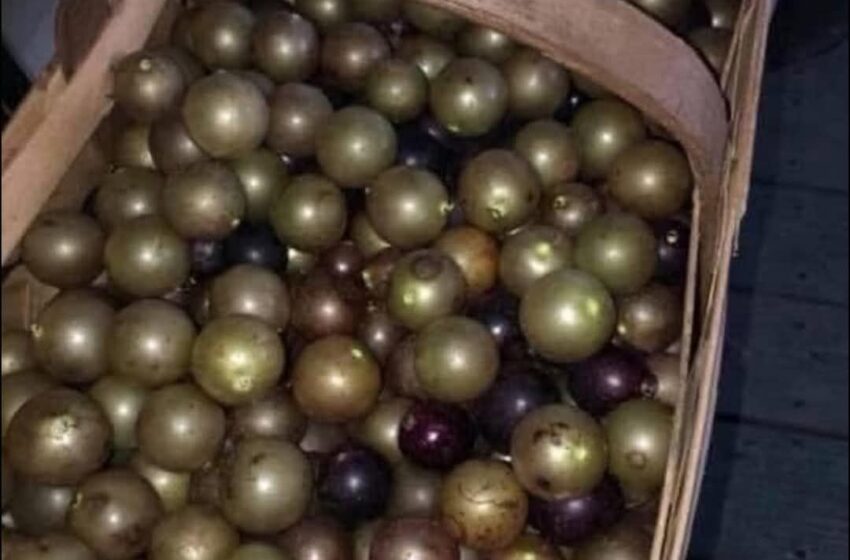
If you’ve ever spent a humid late summer in the American South, you likely know the unmistakable scent of ripening Muscadine Grapes. Unlike the thin-skinned, seedless grapes found in typical grocery stores, Muscadines are a wild, rugged, and deeply flavored fruit native to the Southeast.
Known for their thick, bronzed or deep purple skins and an intense, floral sweetness, these grapes are more than just a seasonal treat—they are a nutritional powerhouse. Whether you’re eating them fresh, simmering them into a “hull” pie, or fermenting them into sweet Southern wine, Muscadines represent the very best of heritage fruit. This guide explores why you should be seeking out these “super-grapes” and how to enjoy their unique texture.
Why You’ll Love This Southern Fruit
- 🍇 Bold, Musk-Like Flavor: A complex sweetness you won’t find in table grapes.
- 💪 Superfood Status: Loaded with more antioxidants than almost any other fruit.
- 🥧 Versatile in the Kitchen: The thick skins (hulls) make for incredible jams and pies.
- 🌿 Naturally Hardy: They thrive without heavy pesticides due to their thick skins.
- 🕰️ Rich Heritage: A staple of Southern “Kitchen Secrets” for over 400 years.
Ingredients / Varieties
- Bronze Muscadines: Often called “Scuppernongs,” these have a honey-like, mellow sweetness.
- Black/Purple Muscadines: These offer a deeper, more tart and robust “grape” flavor.
- The Anatomy:
- The Skin (Hull): Thick, chewy, and tart.
- The Pulp: Sweet, translucent, and jelly-like.
- The Seeds: Crunchy and packed with polyphenols.
Instructions / Method: How to Eat a Muscadine
If you’re new to Muscadines, there is a specific “technique” to enjoying them:
- The Wash: Always rinse your grapes in cool water.
- The “Pop”: Place the grape with the stem scar facing your mouth. Squeeze the grape between your thumb and forefinger until the sweet pulp “pops” out into your mouth.
- The Pulp: Use your tongue to separate the sweet pulp from the seeds.
- The Seeds: You can swallow the seeds (they are healthy!) or spit them out.
- The Hull: Many people discard the thick skin, but it is the healthiest part! You can chew the skin for its tart juice or save a large batch of skins to make “Hull Pie” or preserves.
Is This Fruit Healthy?
Muscadines are frequently called a “Super-Sod” of the fruit world. Because they have an extra chromosome, they produce higher levels of Resveratrol and Ellagic Acid than standard grapes. These compounds are famous for their anti-inflammatory properties and heart-health benefits. The thick skin is specifically designed by nature to protect the fruit from the Southern sun and pests, which is why it is so dense with fiber and antioxidants.
Calories & Nutrition
Estimated per 1 cup serving:
- Calories: 100–110 kcal
- Protein: 1g
- Carbohydrates: 25–28g (High in natural fiber)
- Fat: 0.5g
- Antioxidants: Significant levels of Vitamin C and Manganese.
Tips for Best Results
- Check the Stem Scar: A dry stem scar means the grape will last longer. If it’s wet or leaking, eat it immediately!
- Chill Them: Muscadines are best served ice-cold. The cold temperature makes the pulp firmer and the flavor crisper.
- Don’t Toss the Hulls: If you find the skins too tough to eat raw, freeze them. They add incredible body and tartness to smoothies or autumn stews.
- Watch the Season: They are only available for a short window, usually from August to October.
Variations & Substitutions
- 🍷 Muscadine Juice: Press the grapes and strain for a high-antioxidant morning tonic.
- 🍰 Hull Pie: A classic Southern dessert made by simmering the skins until tender before baking.
- 🥗 Salad Topper: Halve them and remove seeds to add a “pop” of sweetness to kale salads.
- 🧊 Frozen Grapes: Freeze them whole for a healthy “candy” snack on hot days.
FAQ (Frequently Asked Questions)
Are Scuppernongs and Muscadines the same? All Scuppernongs are Muscadines, but not all Muscadines are Scuppernongs! Scuppernong is specifically the name for the large, bronze-green variety.
Should I eat the seeds? Yes, if you can handle the crunch! The seeds contain the highest concentration of antioxidants. However, most people prefer to spit them out.
Can I grow them at home? If you live in USDA zones 7–10, they are incredibly easy to grow and require much less maintenance than European grapes.
You May Also Like
- A Simple Trick to Tell Real Honey: Just Flip the Bottle Upside Down
- That Metal “Soap” by the Sink — The Science Behind Stainless Steel’s Odor-Removing Magic
- among my grandmother’s belongings. There were more than 30 of them, and they had an unusual shape…
- The Kitchen Appliance You Should Always Unplug at Night to Prevent House Fires
Final Thoughts
Muscadine Grapes are a true gift from the Southern soil. They remind us that the best flavors often require a little extra work to reach—and that the “toughest” part of the fruit (the skin) is often where the most goodness is hidden. Whether you’re popping them fresh or simmering them into a pie, they are a seasonal secret worth celebrating! 🍇☀️🌿