Introduction
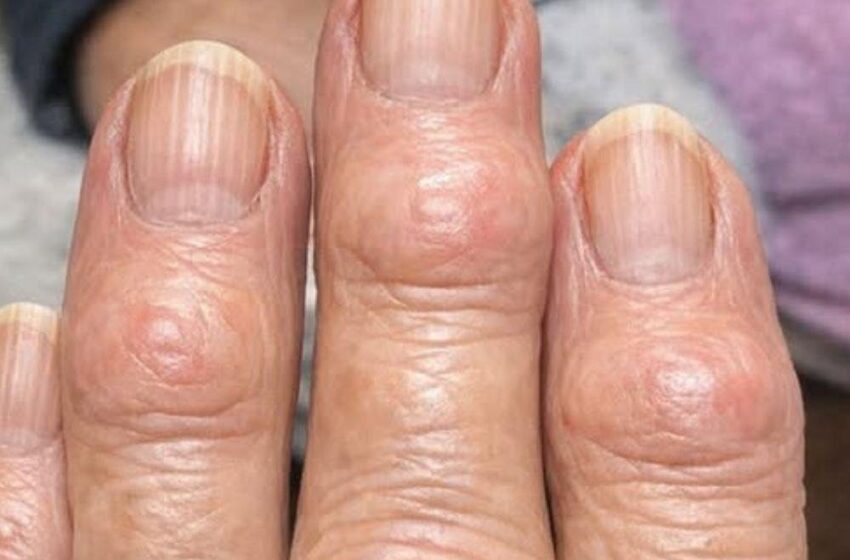
If you’ve noticed your grandmother (or yourself) developing hard, bony bumps on the finger joints nearest the nails, you are likely looking at Heberden’s nodes. While they can be alarming—especially when they seem to “spread” from one finger to another—these bumps are a very common physical sign of Osteoarthritis (OA).
These nodes aren’t an infection or a skin condition; they are the body’s natural, albeit lumpy, response to the wearing down of joint cartilage. This guide explains why these “bumps” form, why they appear on multiple fingers, and how to manage the discomfort they can cause in daily life.
Why You’ll Notice These Nodes
- 🦴 Bony Growths: These are actually small bone spurs (osteophytes) forming under the skin.
- 🖐️ Specific Location: They almost always appear at the DIP joint (the joint closest to the fingernail).
- 📈 Progressive Nature: They often start on one finger and gradually appear on others over months or years.
- 🧬 Genetic Links: If a parent had them, you are significantly more likely to develop them.
- 👵 Age-Related: Most common in women over the age of 50.
The “Ingredients” of a Node (How They Form)
- Cartilage Wear: The protective “cushion” between the finger bones begins to thin out due to age or repetitive use.
- Bone-on-Bone Friction: As the cushion disappears, the bones begin to rub against each other during movement.
- The Repair Signal: The body senses this friction as an injury and sends signals to grow “new bone” to stabilize the joint.
- The Bump: This extra bone builds up into a hard, calcified lump—the Heberden’s node.
Management / Method for Relief
- Heat Therapy: Soak hands in warm water for 10–15 minutes each morning to reduce stiffness. A paraffin wax bath is a favorite “kitchen secret” for deep joint soothing.
- Topical Relief: Apply an over-the-counter NSAID gel (like Diclofenac/Voltaren) directly to the bumps. This targets the inflammation without the stomach upset of oral pills.
- Gentle Range of Motion: Perform “finger flicking” or gentle fist-clenching exercises daily to keep the joints from “locking” or becoming too stiff.
- Adaptive Tools: Switch to “fat-grip” pens, spring-loaded scissors, and electric jar openers to reduce the mechanical stress on the finger joints.
- Night Splints: In some cases, wearing a small finger splint at night can help keep the joint aligned and reduce morning throbbing.
Is This Condition “Spreading”?
It is important to clarify that Heberden’s nodes are not contagious. They don’t “spread” like a virus. However, they appear to spread because Osteoarthritis is a systemic condition. The same factors affecting the index finger (genetics, age, wear) are usually affecting the middle and ring fingers at the same time. You may see one “flare up” with redness and tenderness, followed by another a few months later.
Nutrition & Supplements
Estimated impact on joint health:
- Omega-3 Fatty Acids: Found in fish oil; helps reduce systemic inflammation.
- Turmeric/Curcumin: A natural anti-inflammatory spice often used in “Golden Milk” recipes.
- Glucosamine & Chondroitin: While results vary, many find these help support remaining cartilage.
- Hydration: Proper water intake keeps joint tissues lubricated.
Tips for Best Results
- Don’t “Pop” Them: These are bone, not fluid-filled cysts. Trying to squeeze them will only cause pain and injury.
- Check the Middle Joint: If you see similar bumps on the middle joint of the finger, those are called Bouchard’s nodes.
- Watch for “Flairs”: The nodes are most painful when they are first forming (the “active phase”). Once the bone spur is fully formed, the pain often decreases.
- Protect Your Grip: Use your palms rather than your fingertips to lift heavy objects to avoid putting pressure on the nodes.
Variations & Related Conditions
- 💧 Mucoid Cysts: Sometimes a small, clear, fluid-filled “pimple” forms near the node. This is a cyst related to the joint wear.
- 🧤 Rheumatoid Arthritis (RA): Unlike OA, RA usually affects the knuckles (the base of the fingers) and causes significant swelling and warmth.
- 🥩 Gout: This involves sudden, excruciating pain and intense redness, often triggered by diet (high purines).
FAQ (Frequently Asked Questions)
Will these bumps ever go away? No, once the bone spur has formed, it is permanent. However, the redness and tenderness usually go away once the joint has finished its “remodeling” phase.
Do they always lead to loss of hand function? Not necessarily. Many people have prominent nodes but maintain excellent grip strength and finger dexterity with proper exercise.
Can I prevent them? While you can’t fight genetics, you can reduce the risk by avoiding repetitive “pinching” motions and keeping your hands warm in cold weather.
You May Also Like
- Here’s What The Letter “M” On The Palm Of Your Hand Really Means
- Frequent Drooling While Sleeping? 6 Hidden Health Conditions You Shouldn’t Ignore (Warning Signs & Causes)
- What Is Paprika Made Of? The Simple Truth Behind This Popular Spice
- If Someone Has Visible Veins, Does It Mean Their Circulation Is Poor?
Final Thoughts
Seeing Heberden’s nodes form can be frustrating, but they are a normal part of the journey for many. By understanding that this is the body’s way of trying to stabilize a worn joint, we can focus on comfort and mobility rather than worry. With the right “kitchen secrets” like heat therapy and adaptive tools, your grandma can keep her hands busy and comfortable for years to come! 🖐️✨👵