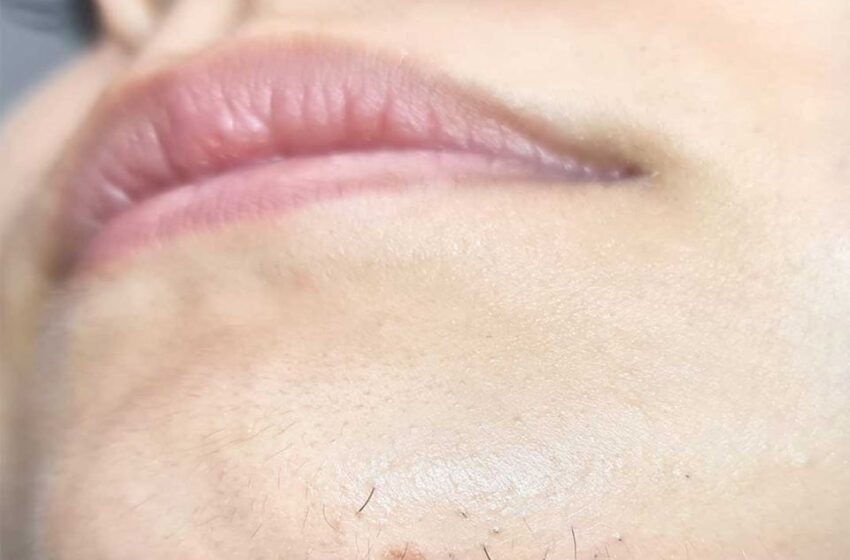
Introduction:
Noticing chin hair can feel like a small cosmetic issue—but sometimes, it’s more than that. For many women, those unexpected coarse hairs can raise deeper questions about hormones, health, and overall wellness. While occasional chin hair is completely normal, sudden changes may be your body’s subtle way of signaling something important.
In today’s world of preventive healthcare, weight loss awareness, and hormonal balance, understanding these signs can help you stay ahead of potential issues. Whether you’re focused on healthy living, self-care, or long-term wellness, this guide breaks down exactly what chin hair might mean—and when you should pay attention.
Why You’ll Love This Guide:
- ✔️ Easy-to-understand health insights for everyday women
- ✔️ Helps you recognize early warning signs of hormonal imbalance
- ✔️ Supports healthy lifestyle and preventive care decisions
- ✔️ Backed by common medical explanations (no complicated jargon)
- ✔️ Perfect for anyone focused on wellness, weight management, and self-care
Main Causes of Chin Hair
1. Hormonal Shifts
One of the most frequent reasons women develop hair on their chin is due to hormonal fluctuations. Specifically, a rise in androgens—hormones like testosterone—can cause unwanted facial hair growth. These hormones are present in all women, but when levels increase even slightly, they may trigger hair growth in male-pattern areas like the chin and jawline.
Triggers can include:
- Polycystic Ovary Syndrome (PCOS)
- Menopause
- Changes in birth control methods
- Thyroid imbalances
✅ Action Step: If chin hair growth comes along with symptoms like irregular periods, acne, or weight gain, talk to your doctor about testing your hormone levels.
2. PCOS: A Common Underlying Cause
Polycystic Ovary Syndrome is a hormonal condition that affects a large number of women during their reproductive years. One of its telltale signs is hirsutism, or excess hair growth on the face and body.
Other common PCOS symptoms include:
- Irregular or missed periods
- Fertility struggles
- Oily skin or persistent acne
- Darkened skin patches (especially on the neck or underarms)
✅ Health Tip: If PCOS is the cause, treatments like dietary changes, hormonal therapy, or insulin-sensitizing medications may help balance your system and reduce excess hair growth.
3. Genetics and Ethnic Background
In some cases, facial hair is simply a result of your family tree. Women from Middle Eastern, South Asian, and Mediterranean backgrounds, for instance, may naturally grow more facial and body hair due to genetic predisposition.
✅ Worth Noting: If your mother, aunts, or grandmother also experienced similar hair patterns, this may be completely normal for your genetic makeup.
4. Aging and the Estrogen Shift
As women age—especially during and after menopause—levels of estrogen begin to decline. With that drop, androgens may take a more dominant role, leading to hair growth in new places like the chin, even as scalp hair may start to thin.
✅ Self-Care Tip: You can manage this kind of hair growth at home with methods like tweezing, dermaplaning, or gentle natural remedies. Choose options that suit your skin sensitivity.
5. When It’s More Than Just Hormones
In rare cases, sudden or rapid chin hair growth could point to more serious medical conditions involving the adrenal glands or ovaries, such as adrenal hyperplasia or androgen-secreting tumors.
Watch for these warning signs:
- Sudden increase in coarse facial hair
- Deepening voice
- Muscle mass increase
- Dramatic shifts in menstrual cycle
✅ When to Act: If any of these symptoms show up alongside facial hair changes, see a healthcare provider promptly for further evaluation.
Is This a Healthy Sign or a Warning?
Chin hair itself is not unhealthy—but it can be linked to conditions that affect your metabolism, weight, and hormonal balance. For example, issues like PCOS are often connected to insulin resistance and weight gain, which can impact long-term health.
Maintaining a healthy diet, regular exercise, and stress management can play a key role in balancing hormones naturally. Early awareness allows you to take control before symptoms become more serious.
Calories & Nutrition
While chin hair is not directly related to calories, it can be associated with conditions like PCOS that affect how your body processes:
- Carbohydrates (insulin sensitivity)
- Fats (hormonal balance)
- Protein (muscle and metabolism support)
👉 Following a high-protein, balanced diet may help regulate blood sugar and support hormonal health.
Tips for Best Results (Managing Chin Hair Naturally)
- ✔️ Maintain a balanced, whole-food diet
- ✔️ Reduce sugar intake to support hormone balance
- ✔️ Get enough sleep (7–9 hours)
- ✔️ Manage stress levels (important for cortisol + hormones)
- ✔️ Stay consistent with skincare and hair removal routines
Variations & Solutions
Depending on your preference, here are different approaches:
- Natural Methods: Tweezing, waxing, dermaplaning
- Medical Treatments: Hormonal therapy, laser hair removal
- Lifestyle Approach: Diet changes + weight management
- Long-Term Solutions: Address root hormonal imbalance
FAQ Section
1. Is chin hair normal for women?
Yes, occasional chin hair is completely normal. It becomes a concern only if it increases suddenly or comes with other symptoms.
2. Can weight loss reduce chin hair?
In some cases, yes. Weight loss can improve hormone balance, especially in conditions like PCOS.
3. Should I remove chin hair or treat the cause?
You can do both. Removing hair is cosmetic, but addressing the underlying cause is important for long-term health.
4. When should I see a doctor?
If you notice rapid growth, irregular periods, or other hormonal symptoms, consult a healthcare provider.
5. Can diet affect facial hair growth?
Yes. Diet plays a role in hormone regulation, especially insulin and androgen levels.
You May Also Like:
- Healthy Hormone Balance Meal Plan
- Best Foods for Weight Loss & Metabolism
- Anti-Inflammatory Diet Guide
- High-Protein Breakfast Ideas
- Easy Healthy Dinner Recipes
- Meal Prep Ideas for Busy Weeks
Final Thoughts:
A few chin hairs are usually nothing to worry about—but your body is always communicating with you. When patterns change, it’s worth paying attention.
By staying informed and proactive, you can protect your health, confidence, and overall well-being. Sometimes, the smallest signs can lead to the biggest discoveries.
💬 Have you ever noticed changes like this? Share your experience—your story might help someone else.