Introduction
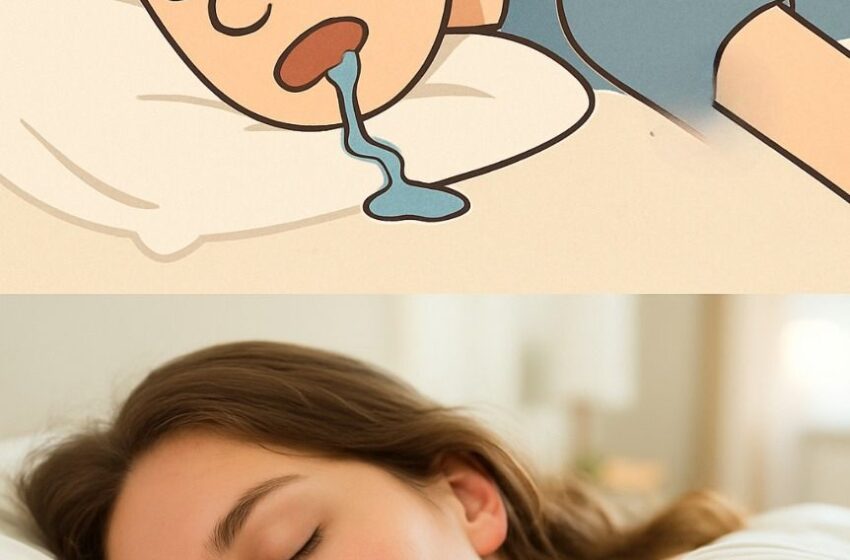
Waking up with a wet pillow might seem harmless—or even a little embarrassing—but what if it’s actually your body trying to tell you something important? For many adults, frequent drooling during sleep isn’t just about sleeping position or fatigue. It can sometimes signal deeper health issues that shouldn’t be ignored.
In today’s world of busy schedules, stress, and poor sleep habits, small symptoms often go unnoticed. But just like unexplained fatigue or sudden weight changes, nighttime drooling can be linked to underlying conditions affecting your overall health. Understanding the cause early can help prevent more serious complications down the road.
If you’re focused on healthy living, better sleep, and long-term wellness, this guide will help you understand what your body might be signaling—and when it’s time to take action.
Why You’ll Love This Article
- ✔ Helps you understand if drooling is normal or a health warning
- ✔ Covers 6 possible medical conditions linked to drooling
- ✔ Easy-to-read explanations for better awareness
- ✔ Includes prevention tips and lifestyle advice
- ✔ Designed to support better sleep and overall health
Understanding Drooling During Sleep
💧 Where Does Saliva Come From?
Understanding drooling starts with understanding saliva itself.
The Salivary System
- Parotid glands (near ears): Produce watery saliva rich in enzymes
- Submandibular glands (under jaw): Produce mixed saliva
- Sublingual glands (under tongue): Produce thicker saliva
- Minor salivary glands: Keep the mouth moist
Key Facts About Saliva
- Healthy adults produce 1–1.5 liters daily
- Controlled by the autonomic nervous system
- Helps with:
- Digestion
- Oral health
- Speech
- Swallowing
💡 Why we drool: During sleep, swallowing slows down. If saliva builds up or your mouth stays open, drooling occurs.
Common Non-Concerning Causes
Before worrying about serious conditions, consider these common causes:
- Sleeping position (side/stomach)
- Nasal congestion or allergies
- Certain medications
- Stress and fatigue
- Pregnancy or hormonal changes
✅ Important: Occasional drooling is normal. Frequent or one-sided drooling is not.
6 Diseases Linked to Frequent Sleep Drooling
1. Oral Diseases
Conditions like gum infections or dental issues can increase saliva production.
Symptoms:
- Bad breath
- Bleeding gums
- Tooth pain
2. Facial Nerve Disorders (Bell’s Palsy)
Weak facial muscles can make it hard to control saliva.
Symptoms:
- Drooping face
- Trouble closing one eye
- Loss of facial movement
3. Gastroesophageal Reflux Disease (GERD)
Acid reflux can trigger excess saliva as a protective response.
Symptoms:
- Heartburn
- Sour taste
- Chronic cough
4. Neurological Conditions (Stroke, Parkinson’s)
These affect swallowing and muscle control.
Symptoms:
- Tremors
- Slurred speech
- Weakness
⚠️ Important: Sudden symptoms may indicate a stroke—seek emergency care.
5. Sleep Apnea
Interrupted breathing leads to mouth breathing and drooling.
Symptoms:
- Loud snoring
- Daytime fatigue
- Morning headaches
6. Infections (Tonsillitis, Sinusitis)
Swelling and pain can make swallowing difficult.
Symptoms:
- Sore throat
- Fever
- Nasal congestion
Is This Condition Healthy?
Frequent drooling during sleep is not typically considered part of a healthy lifestyle—especially if it happens regularly.
While occasional drooling can be harmless, persistent symptoms may affect:
- Sleep quality
- Oral health
- Overall well-being
For those focused on weight loss, healthy routines, and better sleep, addressing underlying issues like sleep apnea or reflux can significantly improve your health.
Calories & Nutrition (Health Perspective)
While drooling itself doesn’t involve calories, it may be linked to conditions that affect your metabolism and nutrition, such as:
- GERD impacting digestion
- Sleep apnea affecting energy levels
- Neurological conditions influencing eating habits
💡 Maintaining a balanced diet, hydration, and healthy sleep routine supports overall body function.
Tips for Best Results (Prevention & Management)
Want to reduce drooling naturally? Try these:
- Sleep on your back
- Use a supportive pillow
- Treat nasal congestion
- Stay hydrated
- Maintain good oral hygiene
- Avoid alcohol before bed
- Manage stress levels
💡 Small lifestyle changes can make a big difference in sleep quality and health.
Variations & Substitutions (Lifestyle Adjustments)
You can adapt your habits to reduce symptoms:
- Use a humidifier for easier breathing
- Try nasal strips for airflow
- Improve bedtime routines
- Adjust diet to reduce acid reflux
These small changes can support a healthier sleep environment.
FAQ Section (SEO Optimized)
1. Is drooling while sleeping normal?
Yes, occasional drooling is normal. Frequent or sudden drooling may need medical attention.
2. Can drooling be a sign of a serious disease?
Yes, in some cases it may indicate conditions like sleep apnea, GERD, or neurological issues.
3. How can I stop drooling at night?
Improving sleep position, treating congestion, and managing stress can help.
4. Can I prevent drooling naturally?
Yes—hydration, oral hygiene, and better sleep habits are key.
5. Should I see a doctor for drooling?
Yes, especially if it’s frequent, one-sided, or paired with other symptoms.
You May Also Like
- Easy Healthy Sleep Routine for Better Energy
- Best Foods for Weight Loss and Gut Health
- High Protein Meal Prep Ideas for Busy Weeks
- Quick Healthy Dinner Recipes for Better Sleep
- Simple Morning Habits for a Healthier Lifestyle
Final Thoughts
Your body doesn’t always shout when something is wrong—sometimes, it whispers.
A simple sign like drooling during sleep may seem small, but it can reveal important clues about your health. Paying attention to these signals is one of the most powerful steps you can take toward a healthier, more balanced life.
Listen to your body. Stay aware. And when something feels off, don’t ignore it—take action.
💬 Disclaimer: This content is for informational purposes only and does not replace professional medical advice. Always consult a healthcare provider for diagnosis or treatment.