Introduction
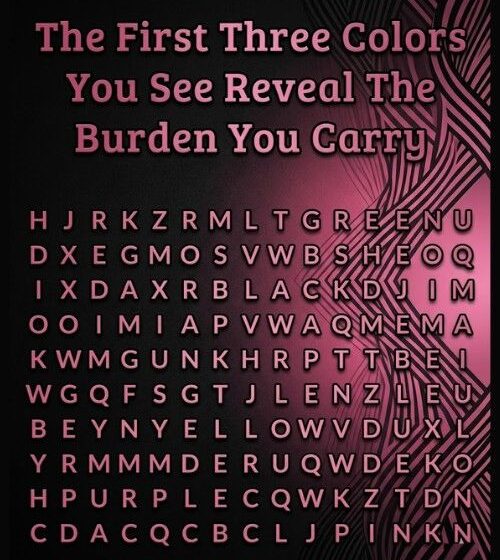
Have you ever noticed how certain colors instantly catch your attention while others fade into the background? This simple reaction might not be random at all. According to color psychology, the colors you notice first can reflect what your mind is processing deep beneath the surface.
This viral personality insight test has gained massive attention because it’s quick, intriguing, and surprisingly relatable. By identifying the first three colors you see, you may uncover hidden emotions, mental patterns, or internal pressures you didn’t even realize you were carrying.
Think of this as a gentle self-check-in—not a diagnosis, but a moment of awareness. Whether you’re dealing with stress, growth, or emotional challenges, this exercise can help you better understand your inner world and move toward balance with clarity and intention.
Why You’ll Love This Insight
- ✔️ Simple and fun self-reflection exercise
- ✔️ Based on principles of color psychology
- ✔️ Helps identify hidden emotional patterns
- ✔️ Encourages mindfulness and awareness
- ✔️ Easy to share and discuss with others
- ✔️ Great for personal growth and emotional clarity
What This Color Test Means
This exercise invites you to observe the first three colors that catch your eye. Each color is linked to emotional tendencies, mental states, and subconscious patterns.
Your choices don’t define you—but they can reveal what you might be experiencing right now.
What Each Color Reveals About Your Emotional Burden
Pink – Emotional Sensitivity & Unspoken Needs
If pink stands out, you may be deeply empathetic and caring.
The Burden You Carry:
- Giving more than you receive
- Emotional fatigue
- Desire for comfort and affection
Reminder: Your kindness is powerful, but your needs matter too.
Black – Hidden Pain & Emotional Protection
Black often reflects emotional depth and self-protection.
The Burden You Carry:
- Unspoken pain or past hurt
- Emotional walls
- Internalized stress
Reminder: You don’t have to carry everything alone.
Purple – Overthinking & Inner Conflict
Purple is linked to deep thinking and imagination.
The Burden You Carry:
- Mental exhaustion
- Constant overanalyzing
- Conflict between logic and emotion
Reminder: Quieting your mind can bring clarity.
Blue – Silent Sadness & Responsibility
Blue represents calmness but also emotional depth.
The Burden You Carry:
- Being “the strong one”
- Hidden sadness
- Feeling alone despite support
Reminder: It’s okay to ask for help.
Green – Growth & Emotional Healing
Green symbolizes healing and transformation.
The Burden You Carry:
- Letting go of the past
- Navigating change
- Emotional growth challenges
Reminder: Growth takes time—be patient with yourself.
Red – Intensity & Emotional Pressure
Red reflects strong emotions and urgency.
The Burden You Carry:
- Stress and pressure
- Intense feelings (anger, ambition)
- Emotional overload
Reminder: Channel your energy into something positive.
White – Perfection & Emotional Suppression
White is linked to control and simplicity.
The Burden You Carry:
- Pressure to appear perfect
- Suppressing emotions
- Internal stress
Reminder: Being real matters more than being perfect.
Orange – Restlessness & Desire for Change
Orange represents energy and movement.
The Burden You Carry:
- Feeling stuck
- Desire for something new
- Difficulty staying focused
Reminder: Small changes can lead to big transformation.
Brown – Responsibility & Stability
Brown reflects grounding and reliability.
The Burden You Carry:
- Being the dependable one
- Self-sacrifice
- Feeling unappreciated
Reminder: You deserve support too.
Yellow – Hidden Anxiety Behind Positivity
Yellow symbolizes happiness and optimism.
The Burden You Carry:
- Hidden stress or anxiety
- Pressure to stay positive
- Emotional imbalance
Reminder: It’s okay to not feel okay sometimes.
Is This Scientifically Accurate?
This exercise is based on color psychology principles, but it is not a clinical or diagnostic tool. It’s designed for self-reflection and awareness, not medical or psychological evaluation.
Think of it as a way to explore your thoughts—not define them.
Tips for Using This Exercise
- Don’t overthink your choices
- Focus on your first instinct
- Reflect on what resonates most
- Journal your thoughts afterward
- Revisit the exercise over time
This helps deepen your self-awareness journey.
FAQs
What if I see multiple colors at once?
That’s normal. Focus on the ones that stand out the most.
Can my results change over time?
Yes. Your emotional state evolves, so your perception may change too.
Is this a real psychological test?
No, it’s a reflective tool—not a scientific diagnosis.
What should I do after this test?
Use it for self-reflection, journaling, or personal growth.
Can I share this with others?
Absolutely! It’s a fun and meaningful discussion starter.
You May Also Like
- Personality tests and self-discovery tools
- Emotional intelligence tips
- Mindfulness and mental wellness guides
- Stress management techniques
- Self-growth and motivation content
Final Thoughts
The colors you notice first are not random—they can act as subtle signals from your inner world. Whether they reflect stress, growth, or emotional needs, they offer a chance to pause and listen to yourself.
This simple color psychology exercise is not about labeling your flaws—it’s about understanding your feelings with compassion. Awareness is the first step toward balance, healing, and clarity.
Take a moment, reflect, and remember—you don’t have to carry everything on your own.