Slow cookers are kitchen heroes—but not every ingredient plays nice with low, moist heat for hours. Some foods turn mushy, others lose flavor, and a few can even become unsafe. Here are 11 ingredients experts recommend avoiding in your Crock-Pot—plus smart swaps to keep your meals delicious and safe.
🚫 1. Dairy (Milk, Cream, Sour Cream, Cheese)
- Why: Prolonged heat causes dairy to curdle, separate, or become grainy.
- Fix: Stir in during the last 15–30 minutes of cooking—or use evaporated milk or coconut milk for full-time creaminess.
🚫 2. Rice (Especially White or Brown)
- Why: Absorbs too much liquid and turns mushy or dry, depending on broth levels. Cooking time doesn’t align with most slow cooker recipes.
- Fix: Cook rice separately and add at serving—or use instant rice in the last 30 minutes on HIGH.
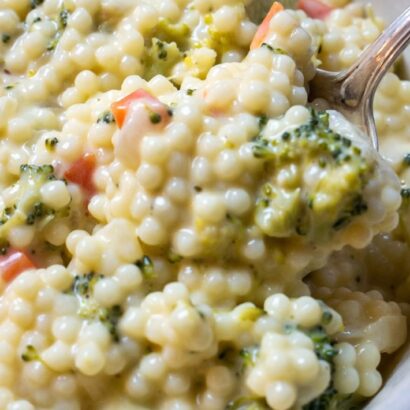
🚫 3. Pasta
- Why: Turns gummy, swollen, or disintegrates after hours of simmering.
- Fix: Cook al dente separately; stir into sauce just before serving.
🚫 4. Boneless, Skinless Chicken Breasts (on HIGH or >4 hours)
- Why: Lean meat dries out and shreds into stringy bits with long cooking.
- Fix: Use chicken thighs (more fat = stays juicy) or cook breasts on LOW for 3–4 hours max.
🚫 5. Delicate Vegetables (Spinach, Peas, Zucc
Why: Turn soggy, discolored, or vanish into the sauce.
Fix: Add in the last 15–30 minutes of cooking.
🚫 6. Raw Ground Meat (Added Directly)
Why: Clumps together, steams instead of browns, and can leave a gray, greasy texture.
Fix: Brown first to develop flavor, drain excess fat, then add to slow cooker.
🚫 7. Seafood (Fish, Shrimp, Scallops)
Why: Overcooks in 15–30 minutes—becomes rubbery or falls apart.
Fix: Add in the last 15–20 minutes on LOW—or skip the slow cooker entirely for seafood.
🚫 8. Alcohol (Large Amounts of Wine or Spirits)
Why: Contrary to myth, alcohol doesn’t fully cook off in a slow cooker due to low temps and covered environment—can leave harsh, raw flavors.
Fix: Use small amounts (≤¼ cup), or deglaze in a skillet first, then transfer.
🚫 9. Fresh Herbs (Basil, Cilantro, Parsley, Dill)
Why: Lose aroma and turn bitter or muddy after hours of cooking.
Fix: Use dried herbs early; add fresh herbs as a garnish at the end.
🚫 10. Too Much Liquid
Why: Slow cookers trap steam—no evaporation means soupy results. Most recipes need ½ to ⅔ less liquid than stovetop versions.
Fix: Follow slow cooker-specific recipes; thicken with cornstarch slurry at the end if needed.
🚫 11. Frozen Meat (Large Cuts)
Why: Takes too long to reach safe temperatures, lingering in the “danger zone” (40°F–140°F) where bacteria grow.
Fix: Thaw meat first—or cut into smaller pieces if adding frozen.
💡 Bonus Tip: Don’t Overfill!
Fill ½ to ⅔ full max. Too full = uneven cooking; too empty = food burns.